Reference
The register
Twenty-three entries, numbered by section. Each one is a way of looking, or a thing that makes looking possible.
01On Location
№
Entry
Section
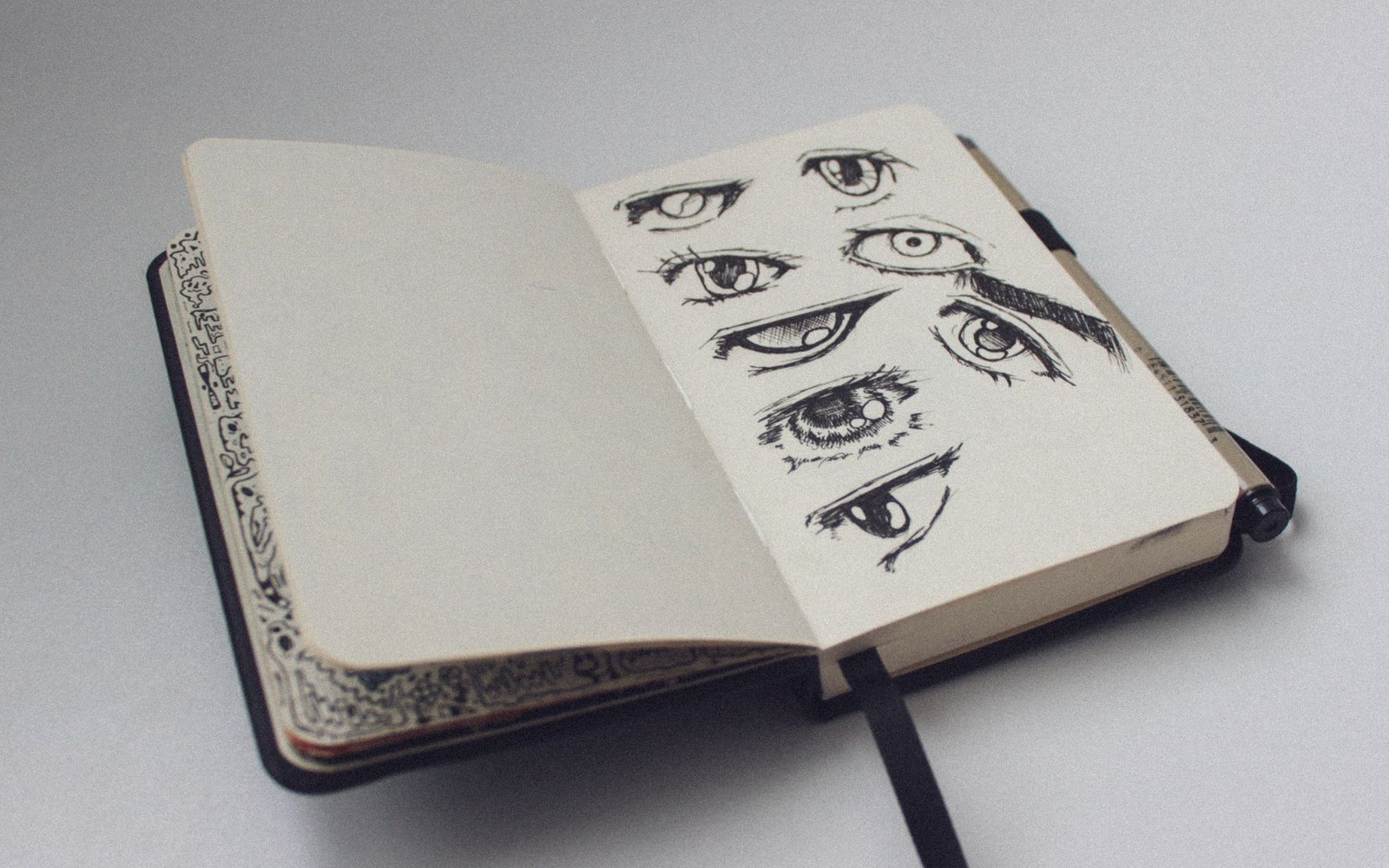 Drawing standing upOne hand holds the book, which decides the size of the book, the grip on the pencil and how long you can work before the arm gives out.On LocationRead →01.2
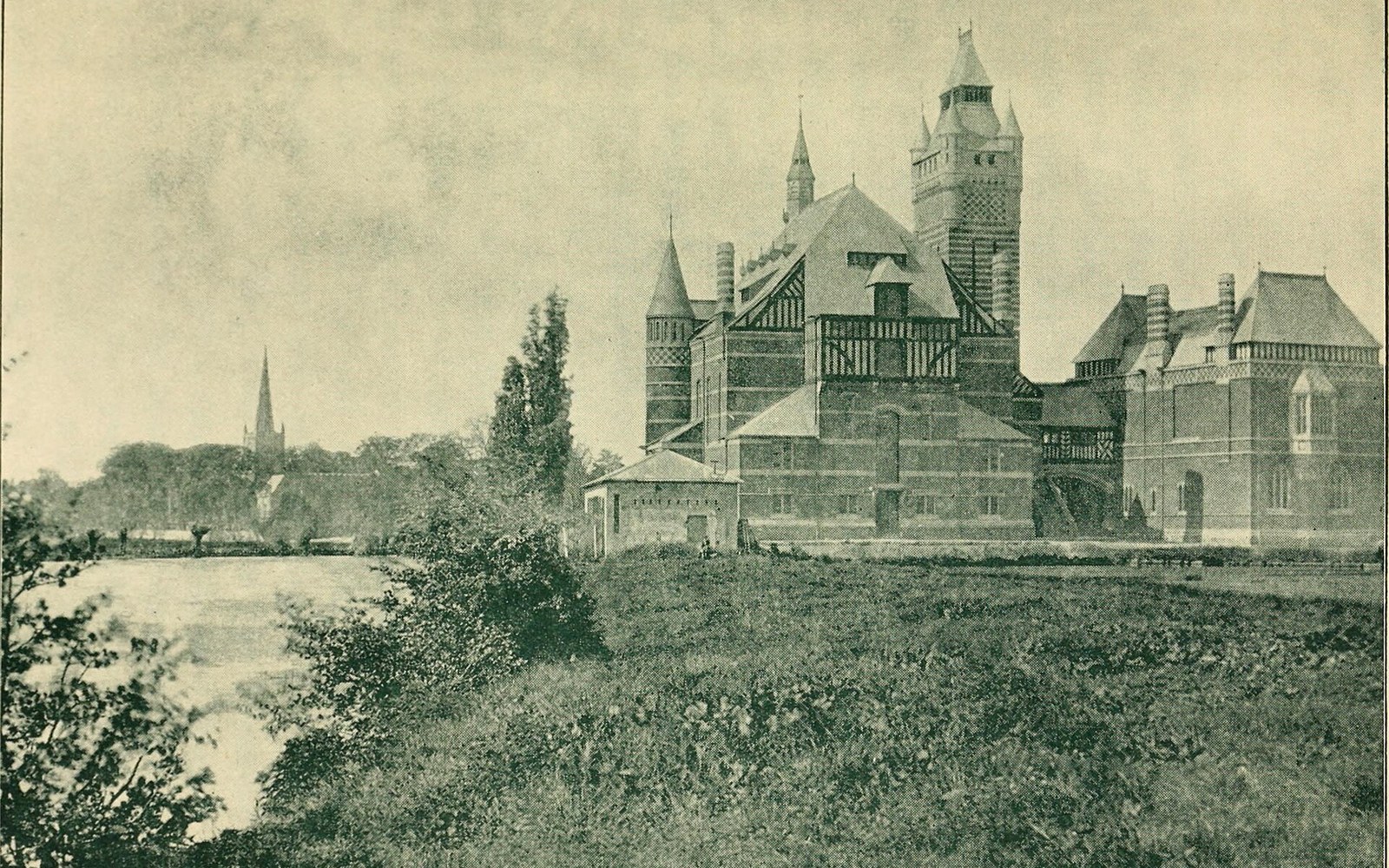 The twenty-minute limitLight moves, traffic moves and people notice you; the sketch has to be finishable inside the window the subject allows.On LocationRead →01.3
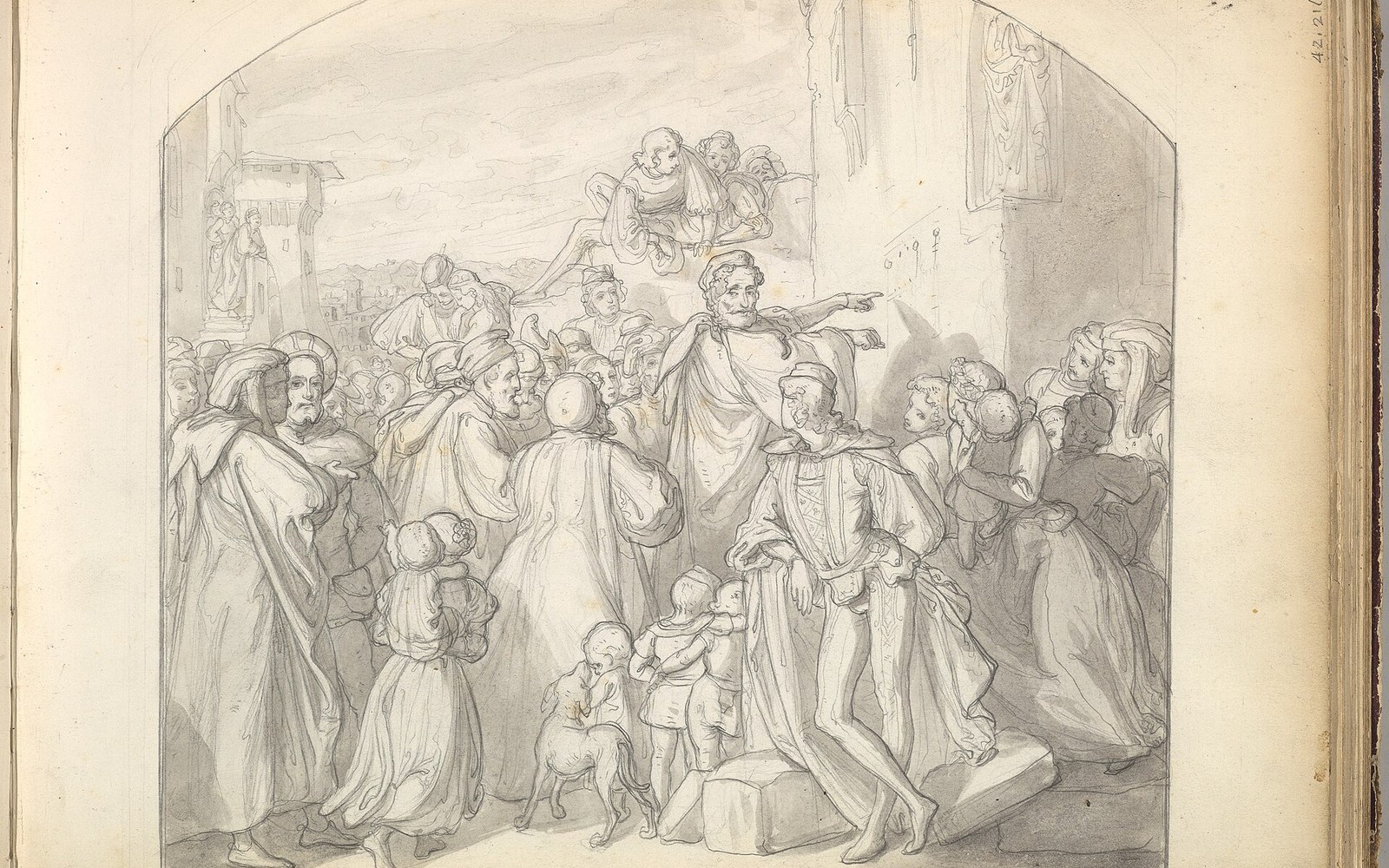 Being watchedDrawing in public is a social act, and where you stand is a decision about interruption.On LocationRead →01.4
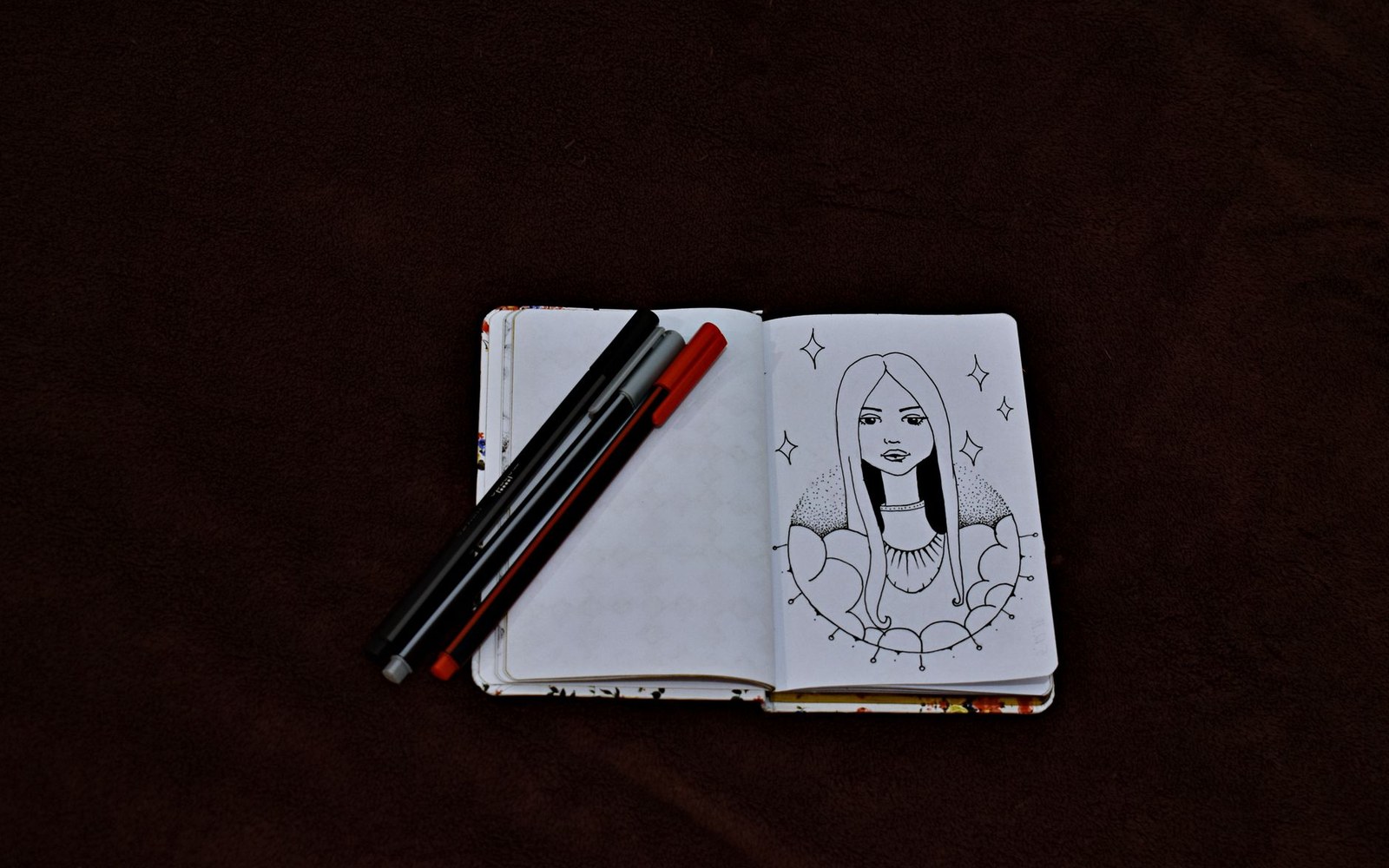 WeatherCold hands, wet paper and wind on a page are working conditions, not anecdotes.On LocationRead →
02Materials
№
Entry
Section
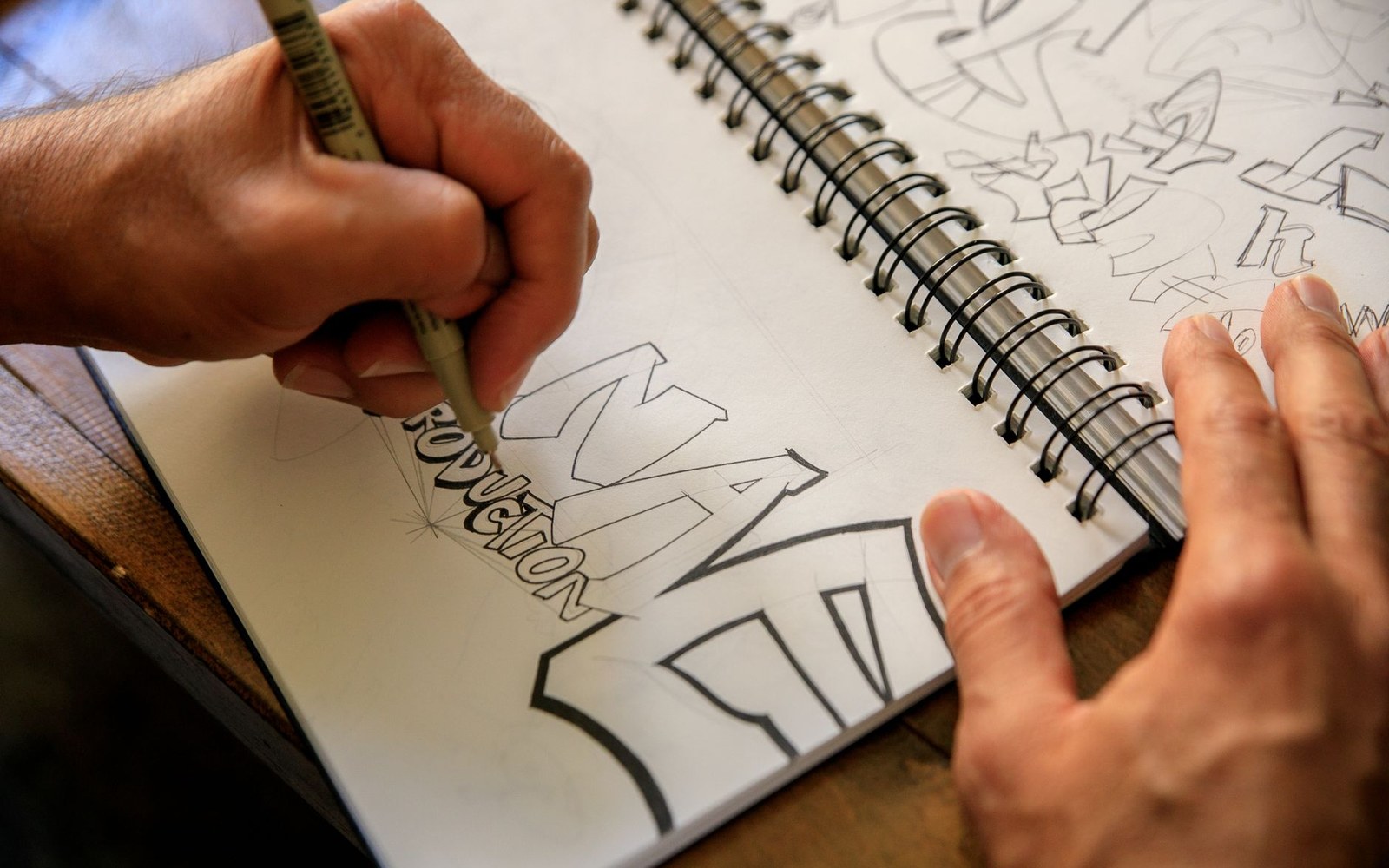 The pocket bookFormat decides use: a book that fits a coat pocket gets filled, and one that needs a bag gets left behind.MaterialsRead →02.2
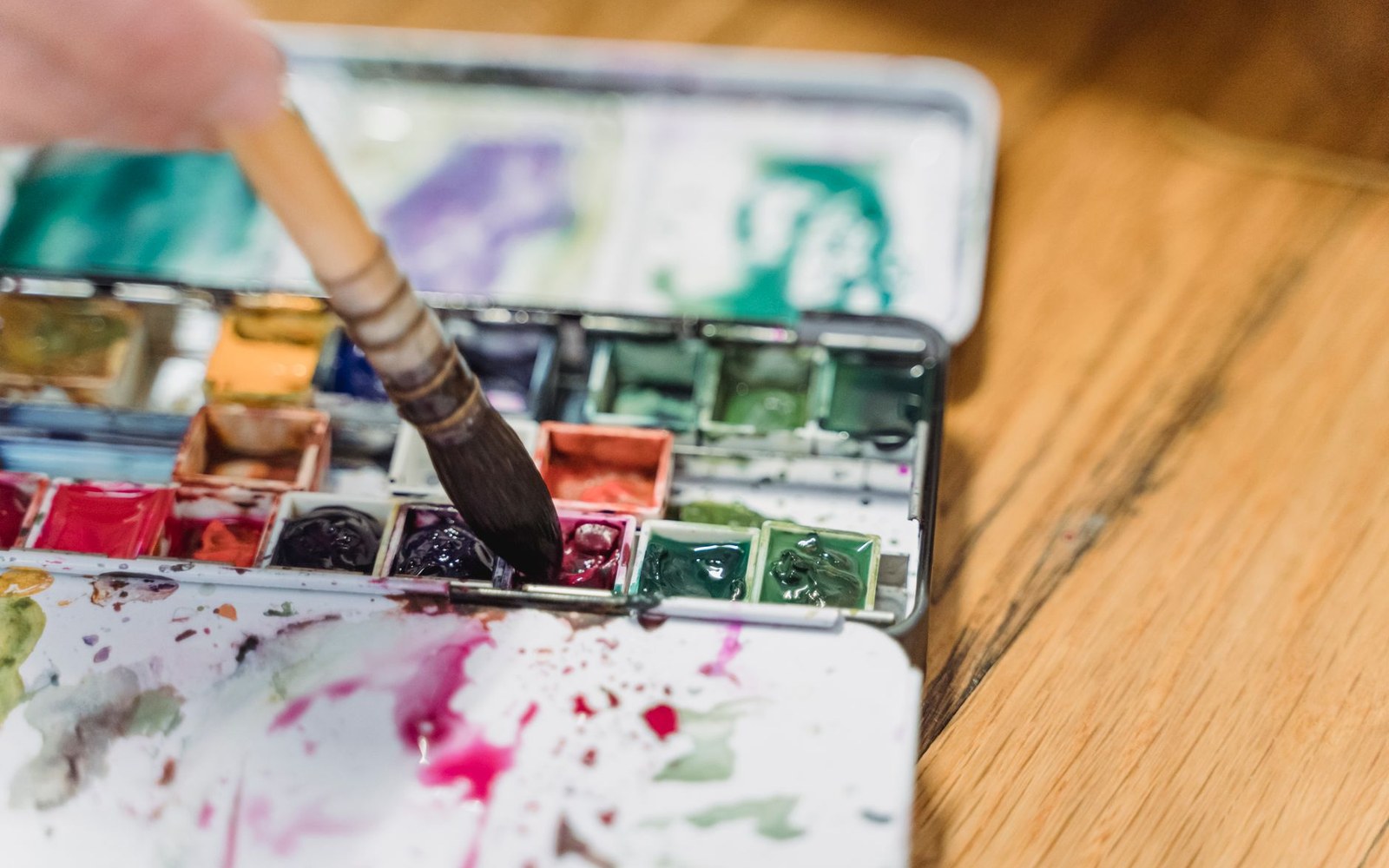 Waterbrush and pansA brush with a water reservoir and a tin of dry pans is the smallest complete colour kit that works standing up.MaterialsRead →02.3
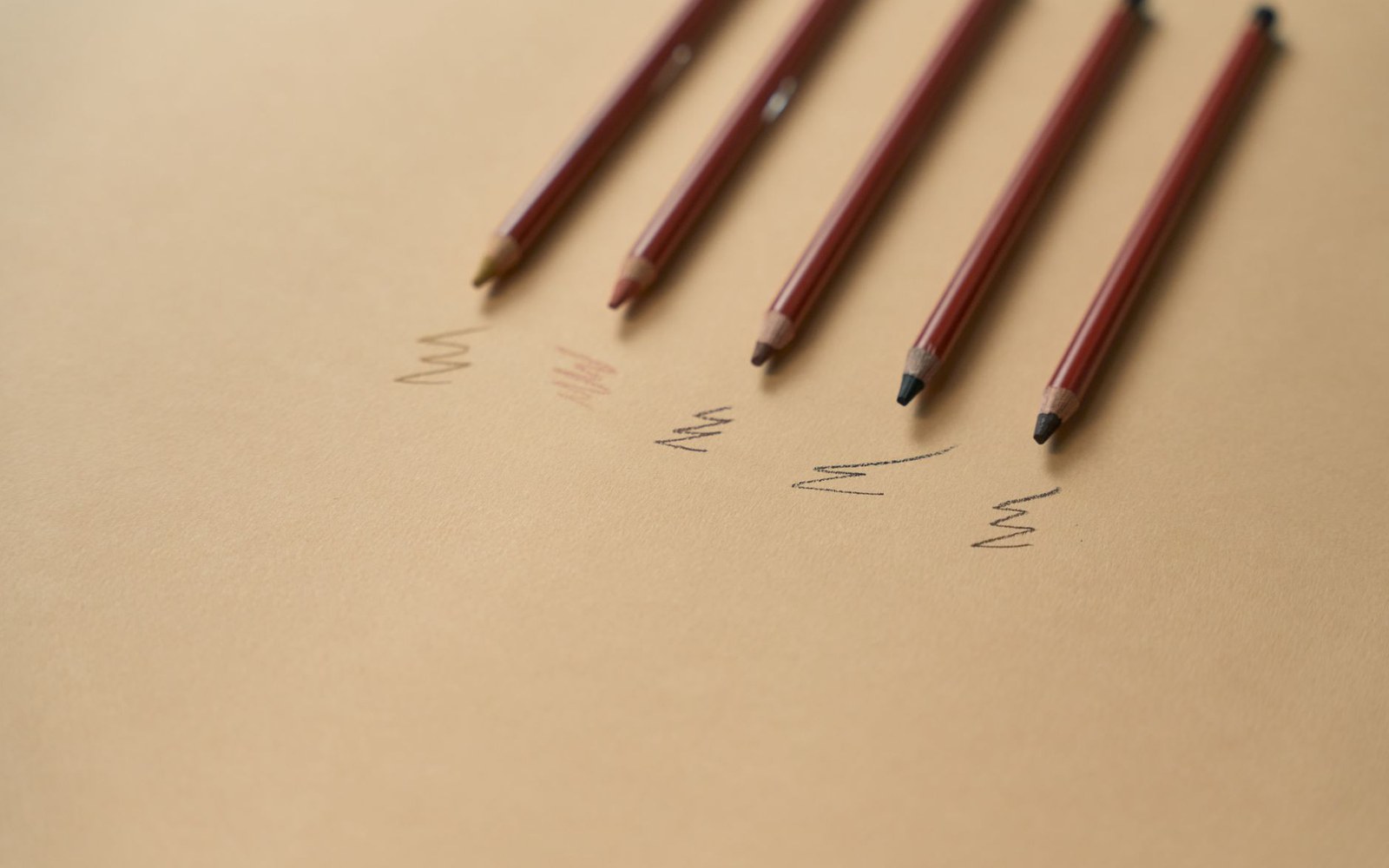 Toned paperStarting on grey lets you work in both directions — dark line and white gouache — which is why Turner used it.MaterialsRead →02.4
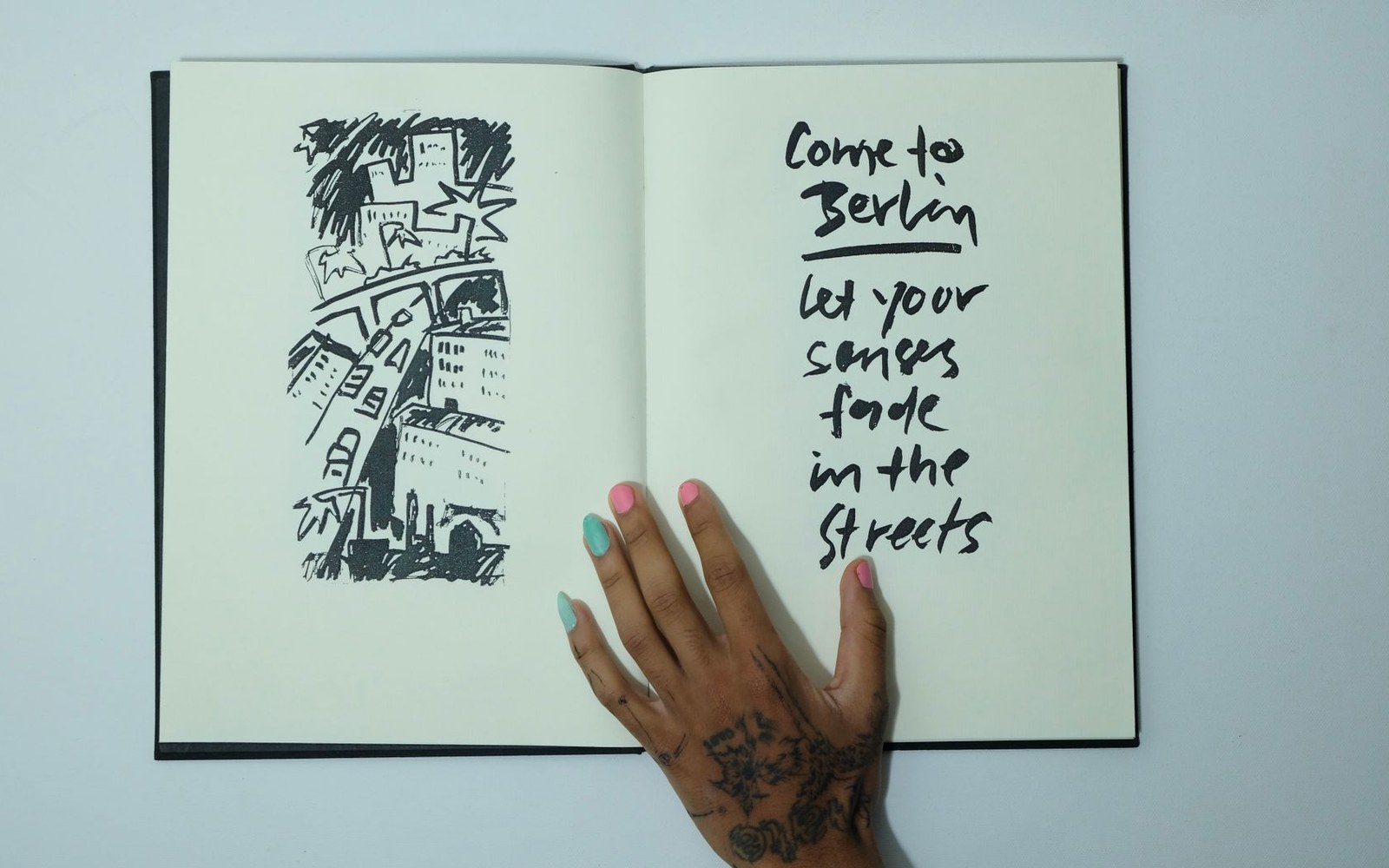 What fadesFugitive pigments and cheap paper are why some notebooks read wrongly two centuries on.MaterialsRead →
03Looking
№
Entry
Section
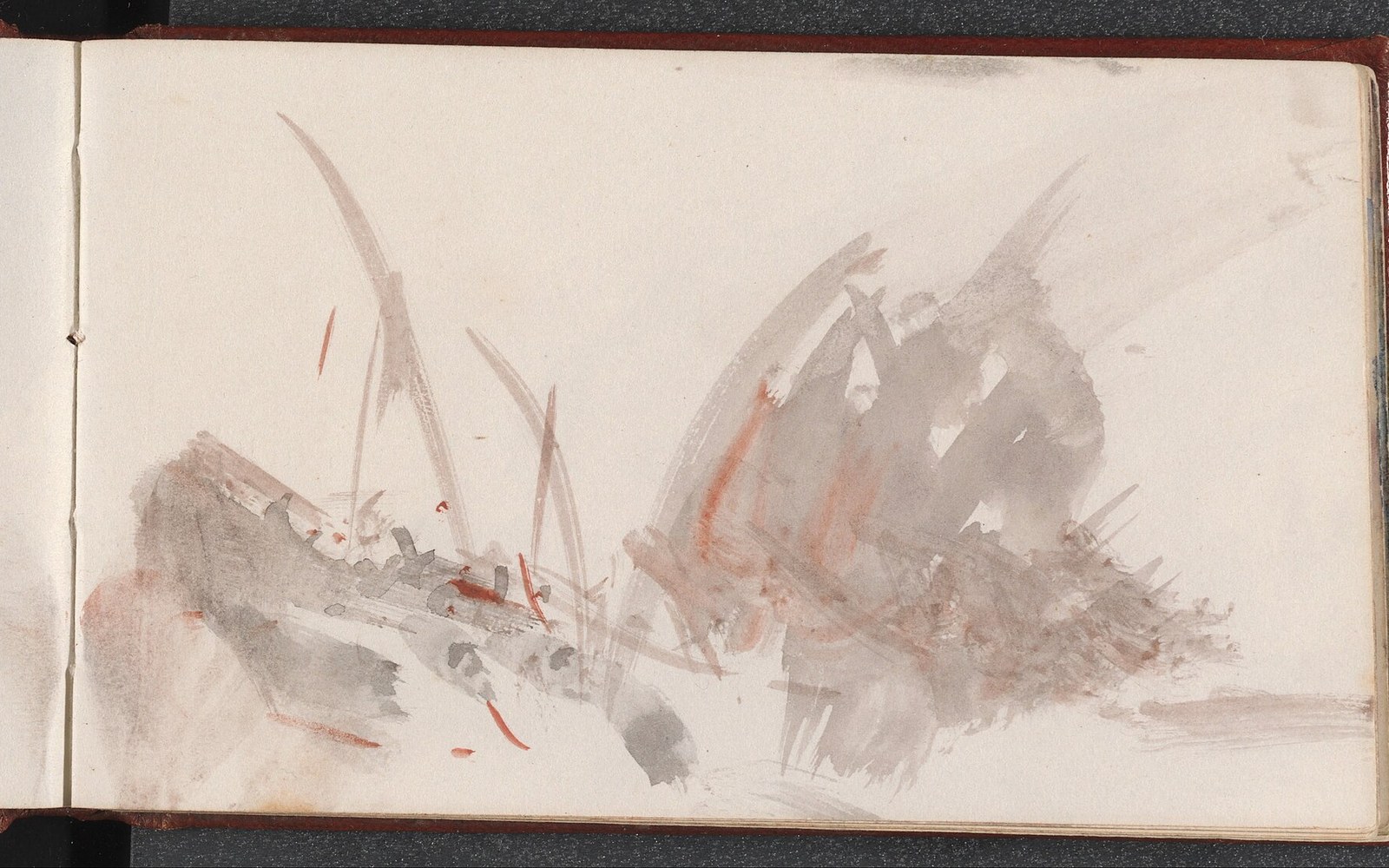 Turner's sketchbooksSome three hundred books, now in the Tate, worked in pencil on toned paper and annotated in a private shorthand — the largest surviving record of one artist looking.LookingRead →03.2
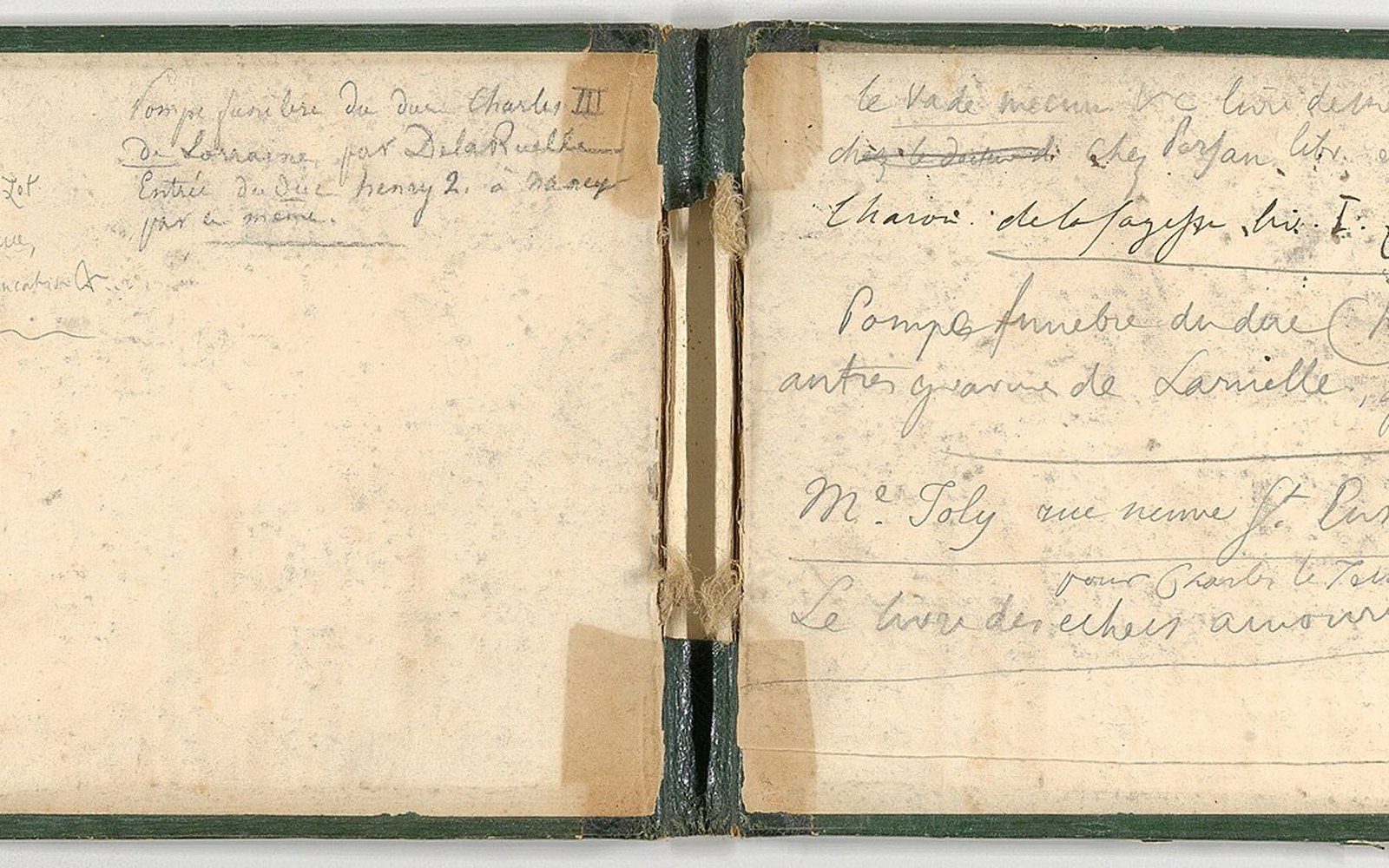 Delacroix in MoroccoNotebooks filled in 1832 that supplied his paintings for the next thirty years, because a drawing made on the spot carries information a memory does not.LookingRead →03.3
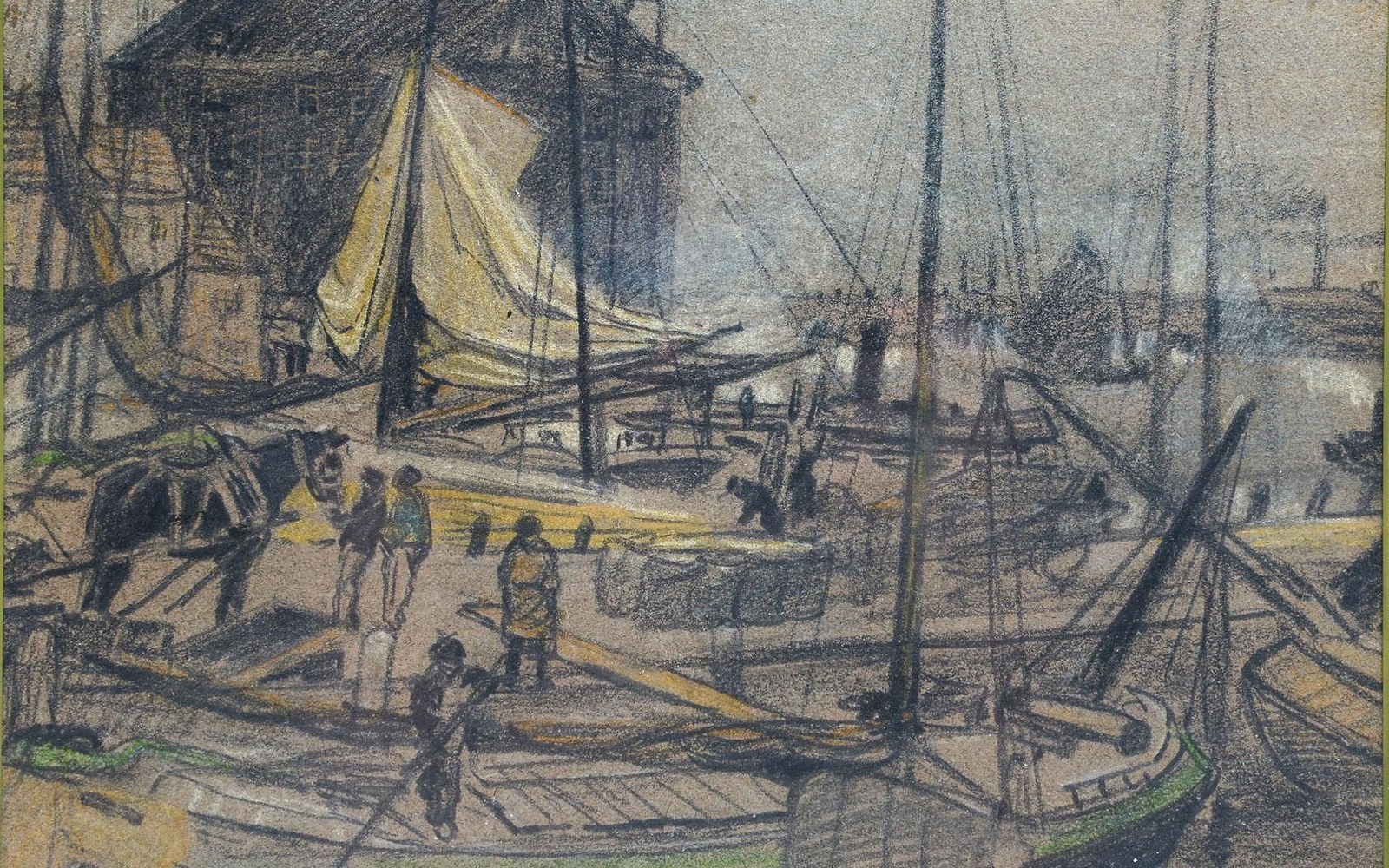 Measuring by eyeSighting with a pencil is a method, not a mannerism: it converts the world into proportions you can transfer.LookingRead →03.4
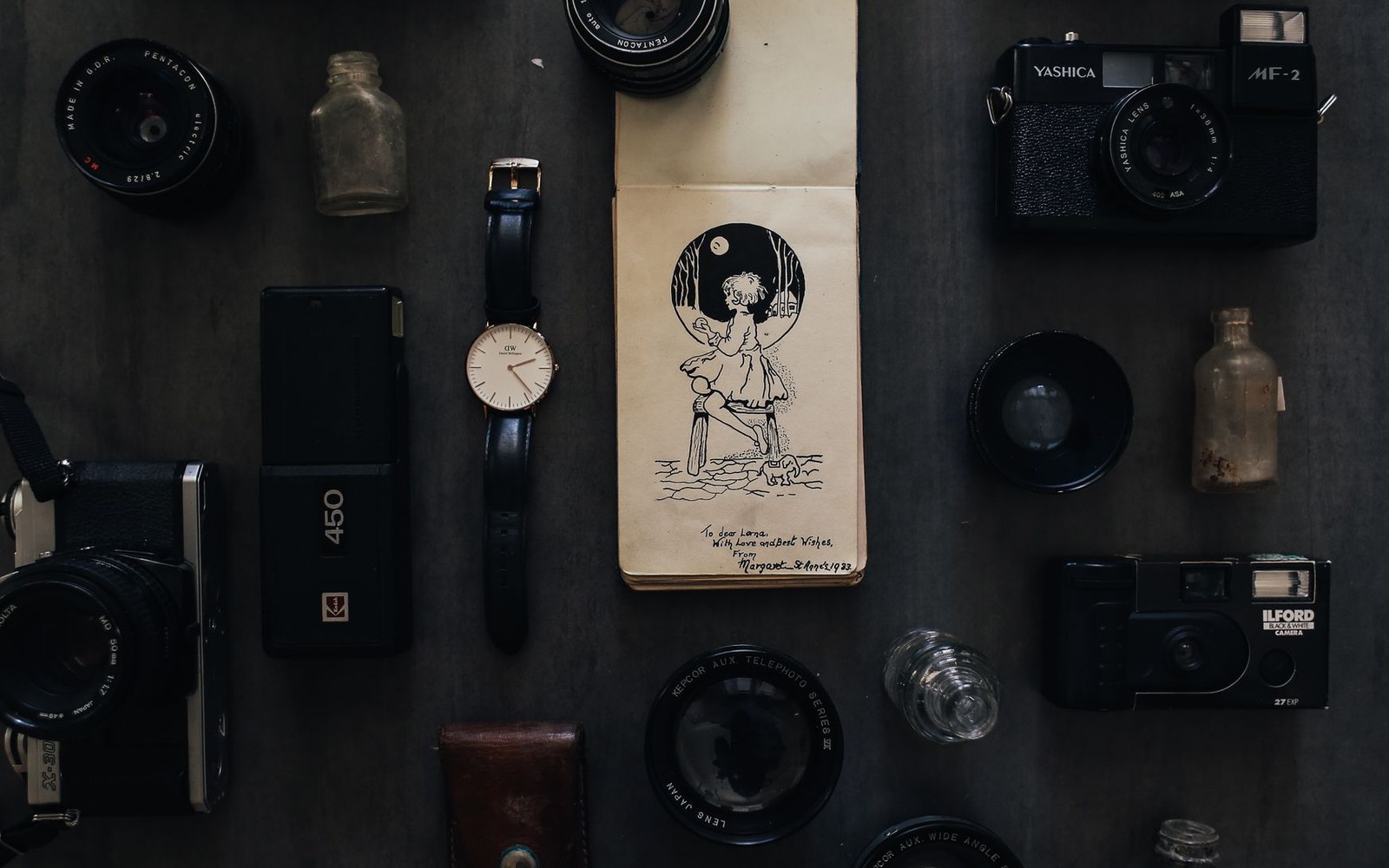 What the camera missesA drawing records attention — what you decided mattered — which is exactly what a photograph averages out.LookingRead →
04Sketchbooks
№
Entry
Section
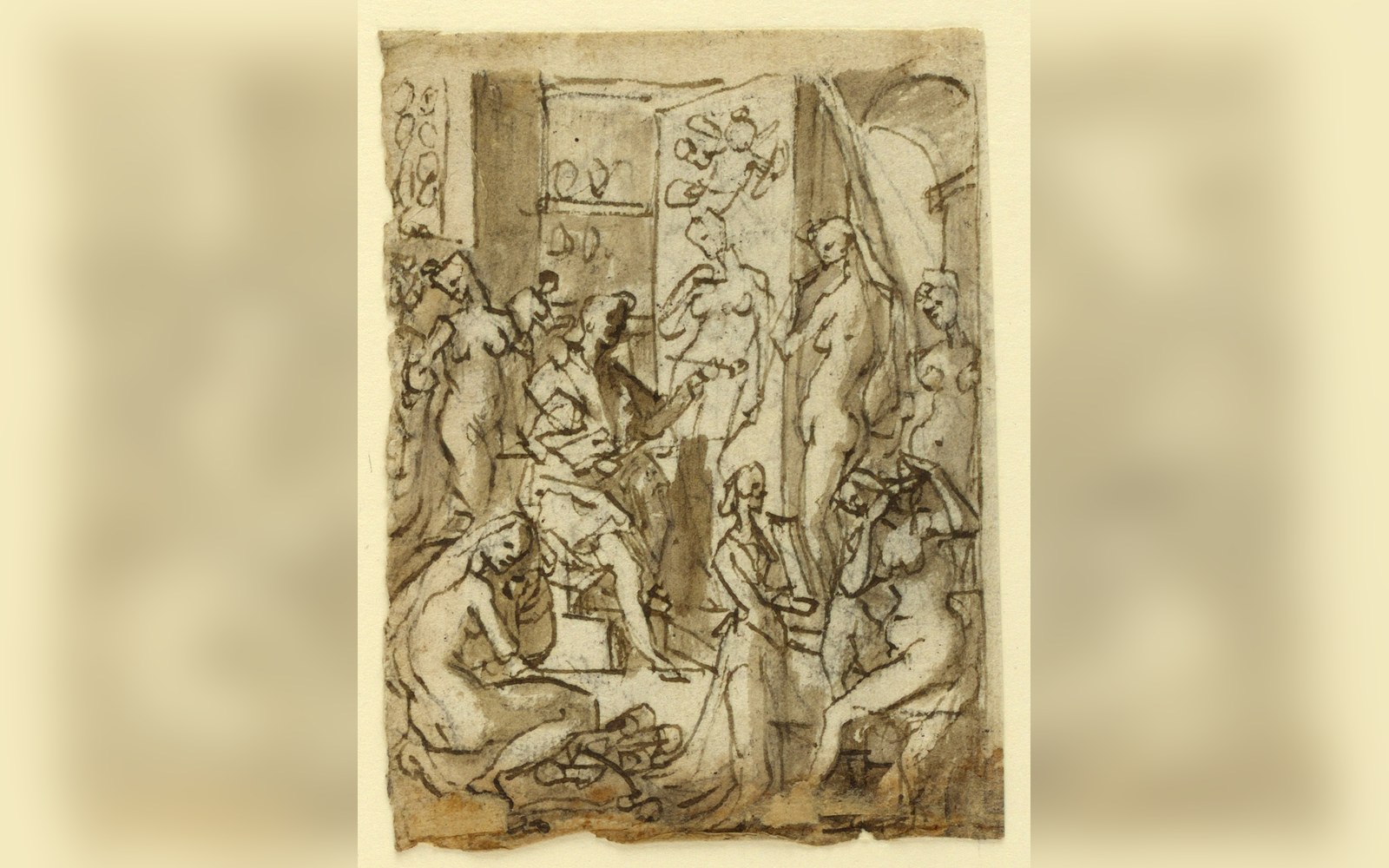 The annotated pageWords on a drawing are not failure; colour notes, times and names are how a sketch stays usable later.SketchbooksRead →04.2
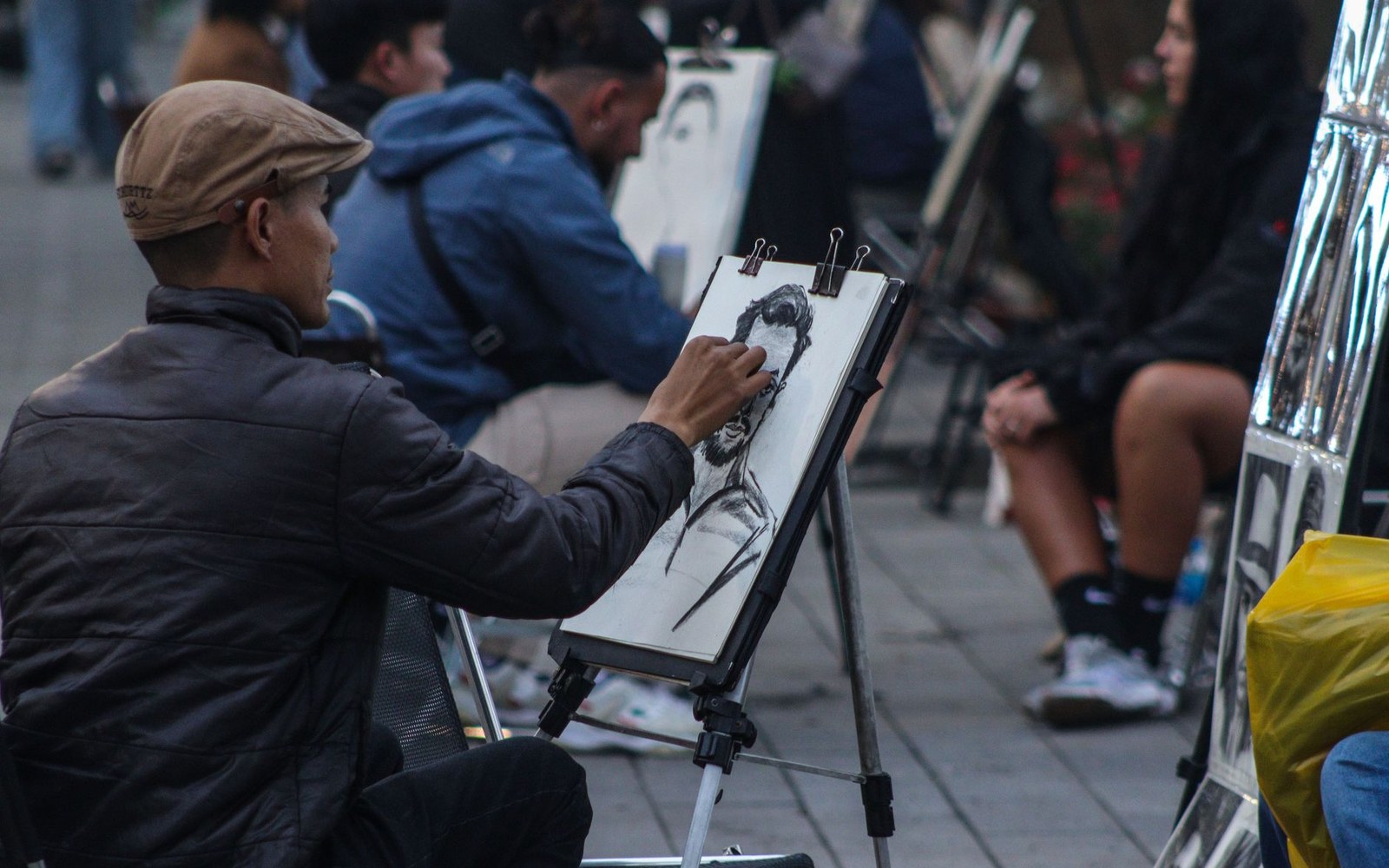 Urban SketchersGabriel Campanario started it in 2007 around one rule — draw on location — and it turned a private habit into a documented worldwide practice.SketchbooksRead →04.3
 Keeping the mistakesA sketchbook that is edited stops being evidence of anything.SketchbooksRead →
05Witness
№
Entry
Section
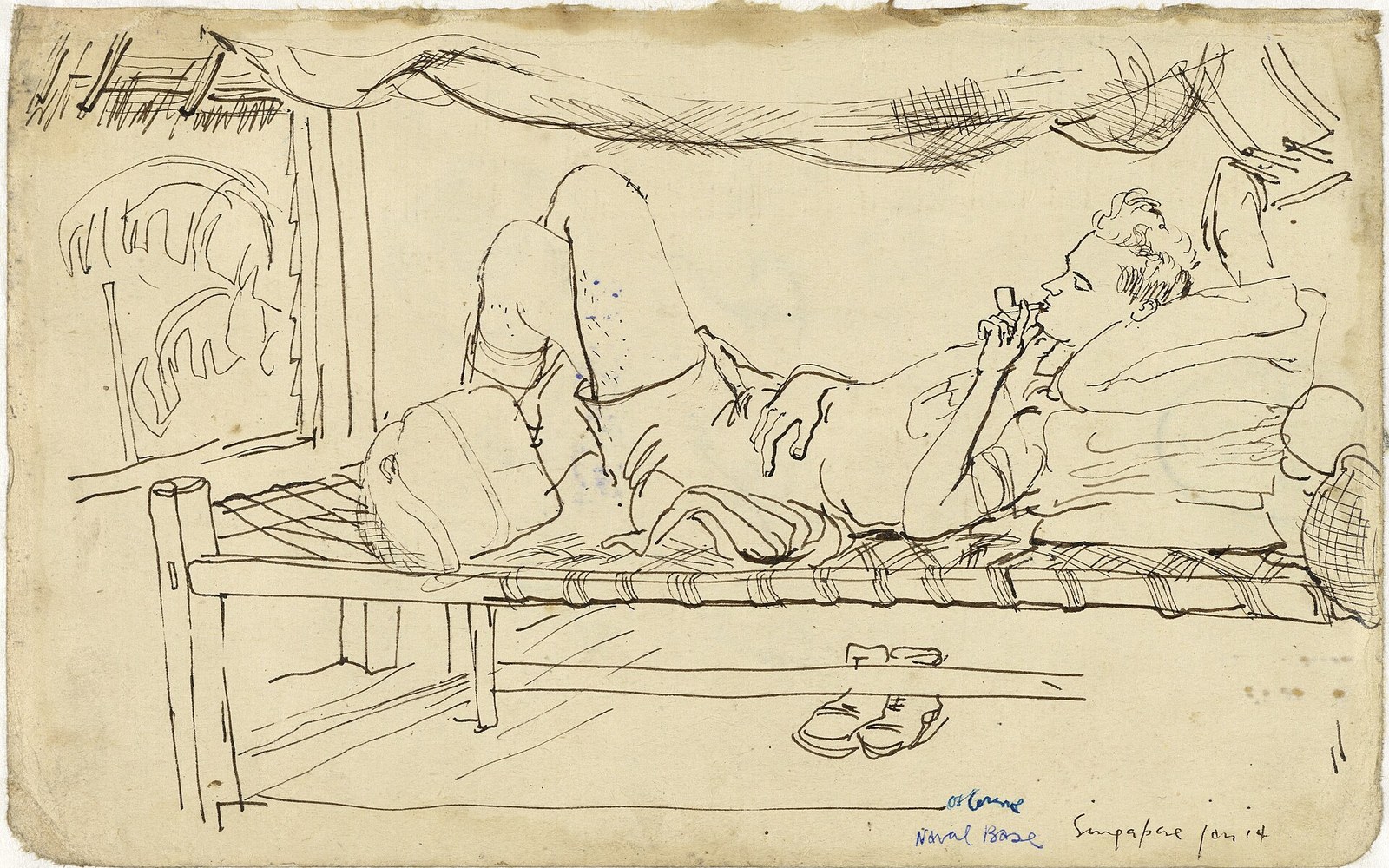
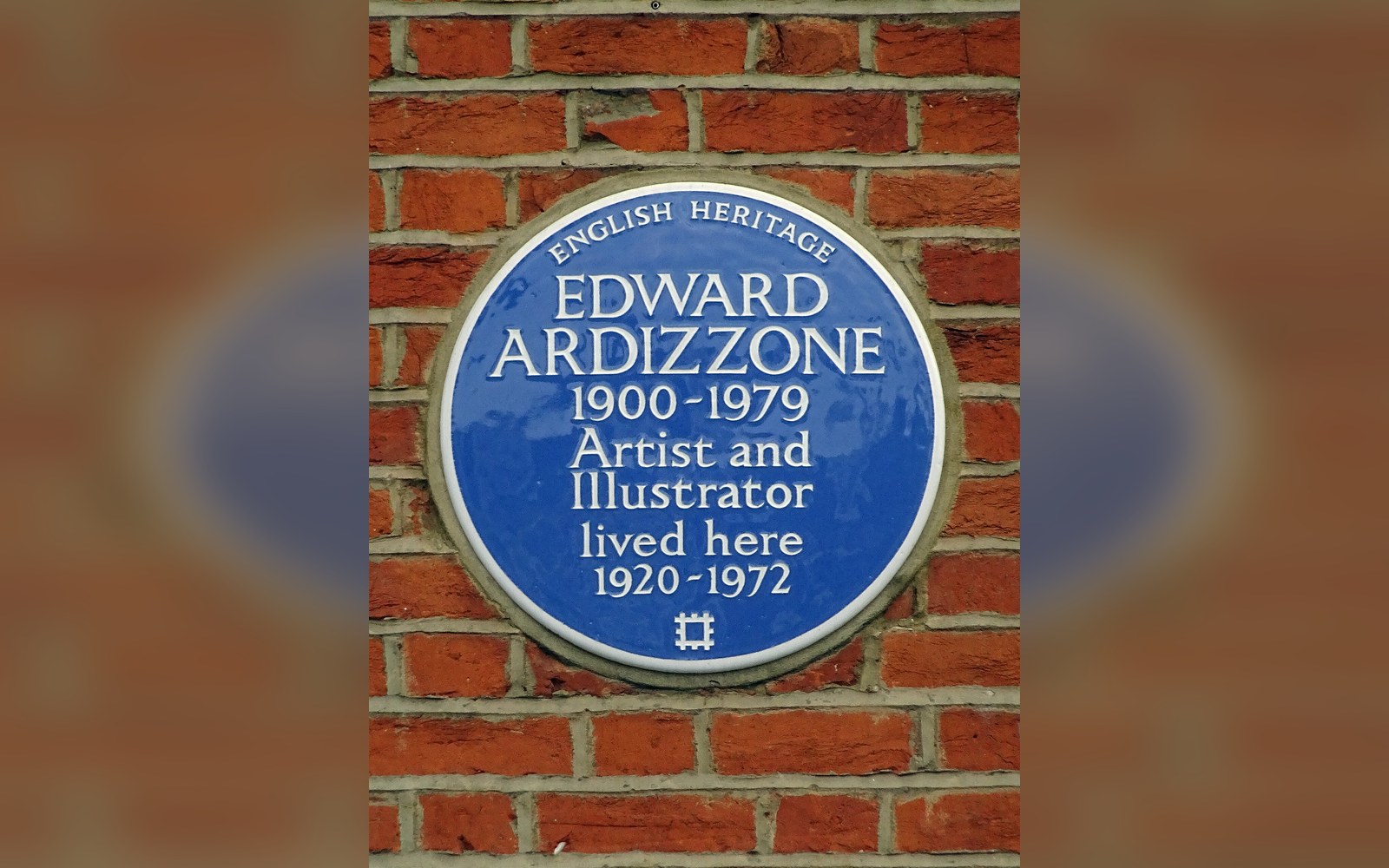 Ardizzone as war artistEdward Ardizzone drew where a camera would not have been tolerated, and his line stays domestic even when the subject is not.WitnessRead →05.2
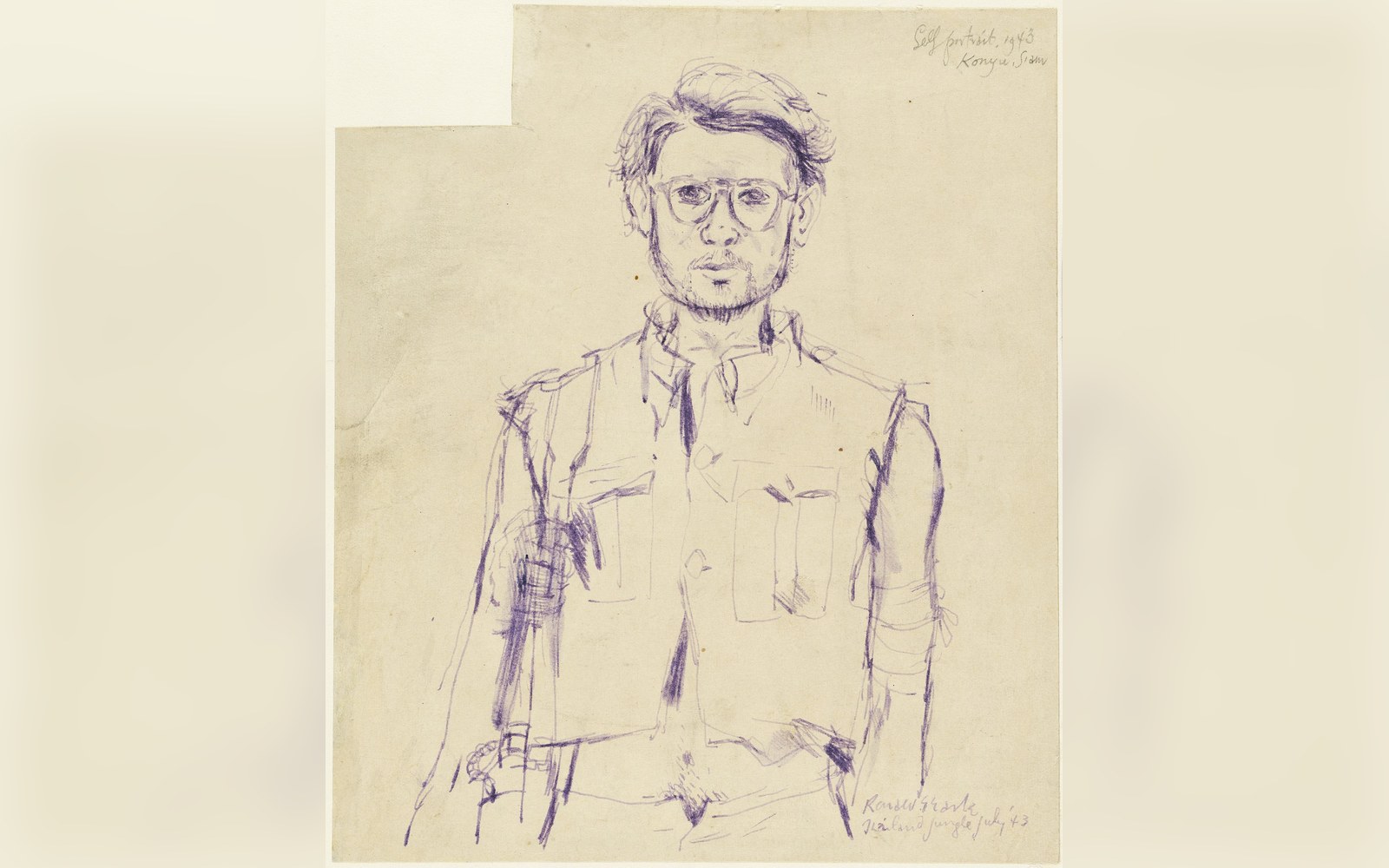 Searle in ChangiRonald Searle kept drawings hidden under the mattresses of prisoners with cholera, because the guards would not go near them.WitnessRead →05.3
 Drawing as evidenceCourtroom and field drawing persist wherever recording devices are forbidden.WitnessRead →
06The Page
№
Entry
Section
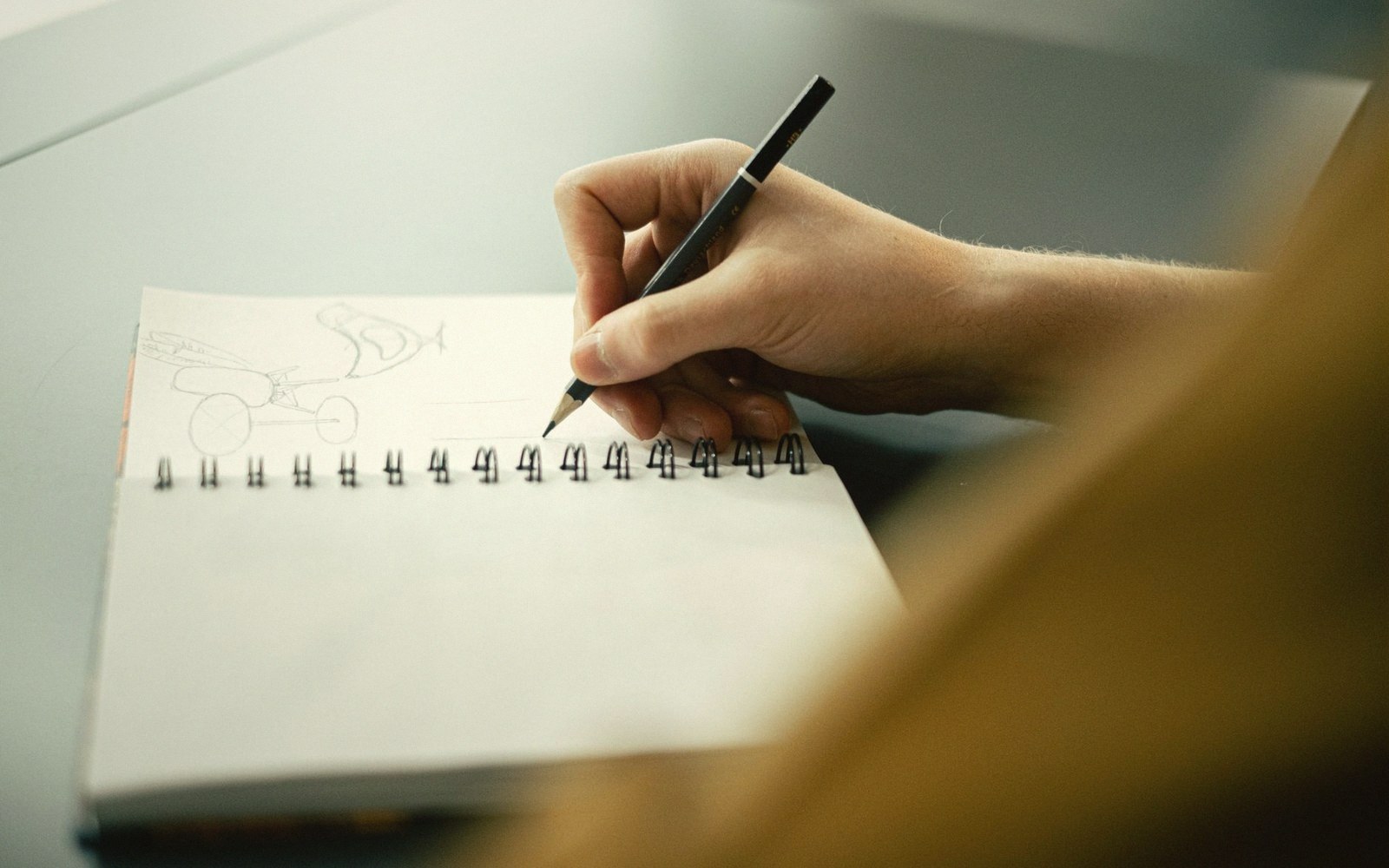 Composing fastYou choose the frame before you know how it ends, which is why so many location drawings run off the edge.The PageRead →06.2
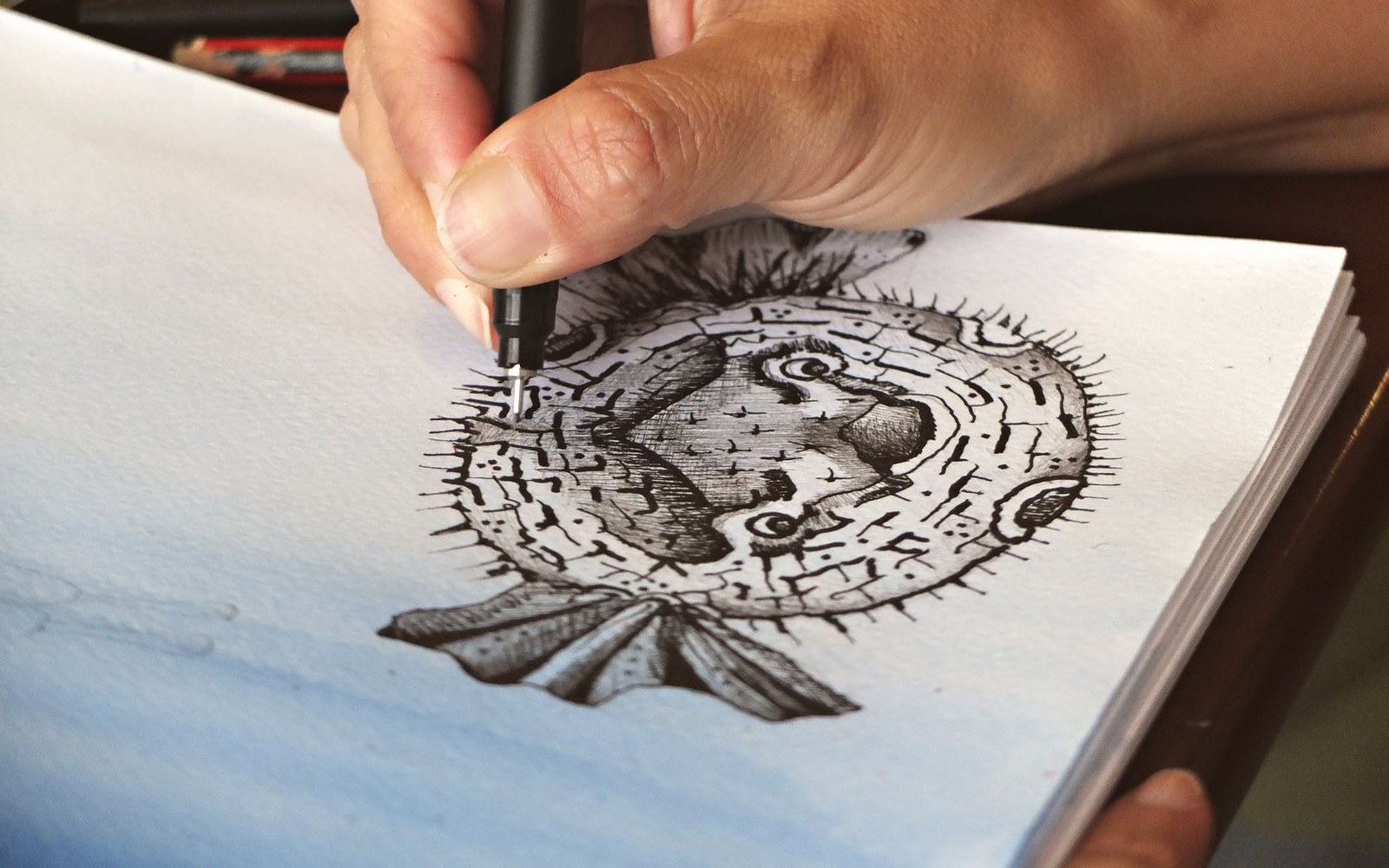 Line under pressureSpeed changes the mark; a hurried line carries information a careful one does not.The PageRead →06.3
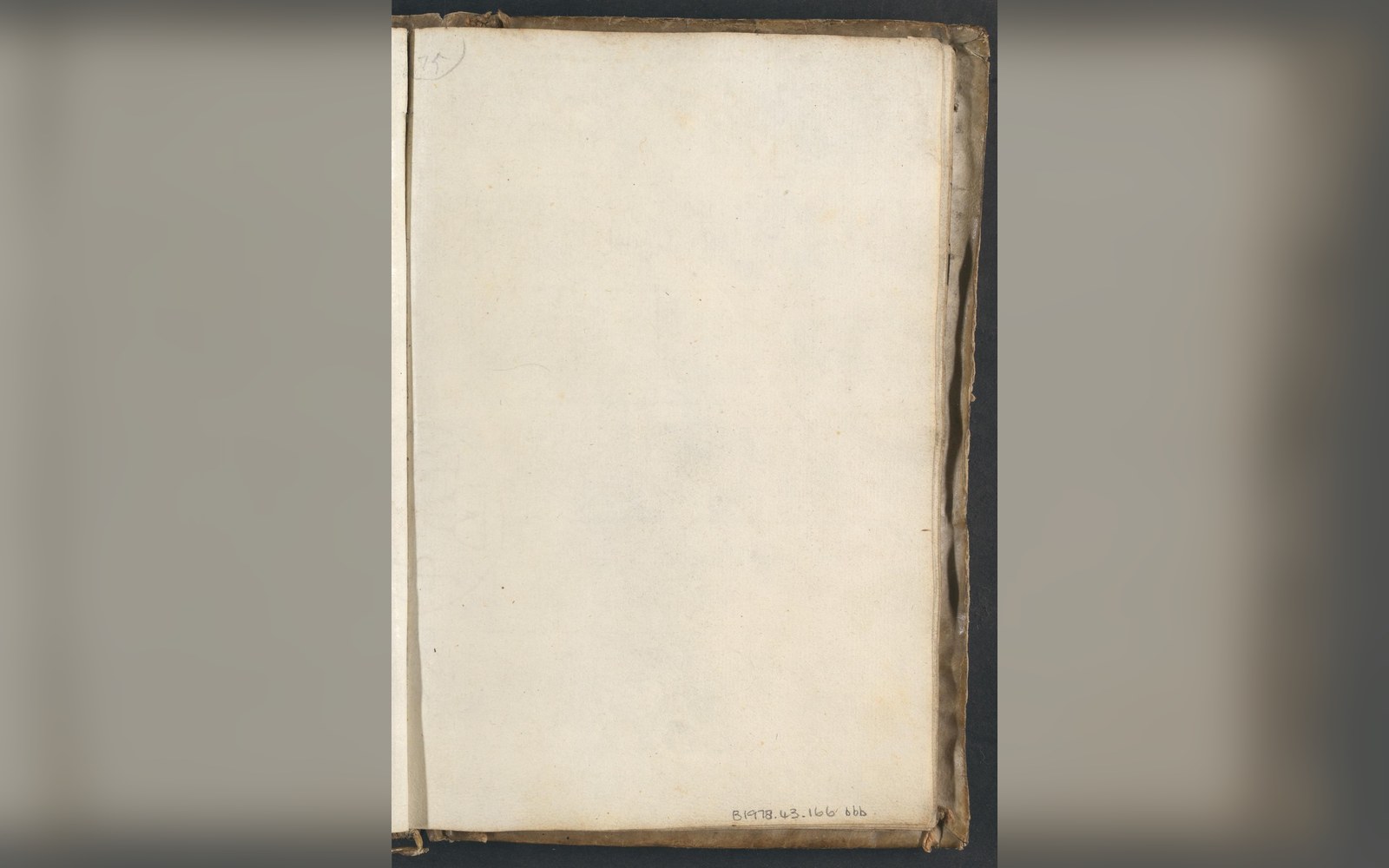 White spaceLeaving most of the page empty is a decision about what you actually looked at.The PageRead →
07Collections
№
Entry
Section
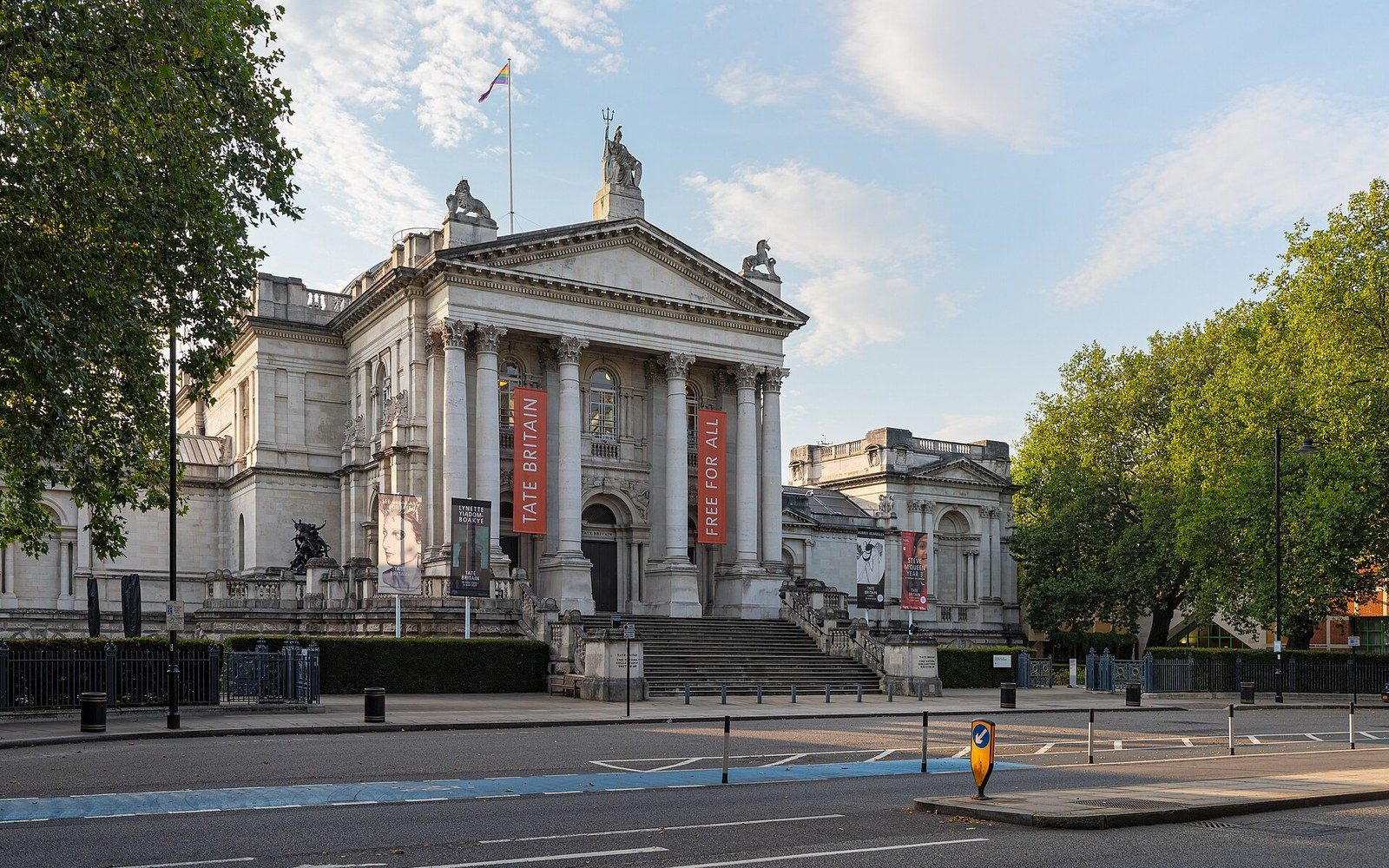 The Turner BequestHow the sketchbooks came to the Tate, how they are catalogued, and why access rules shape what gets studied.CollectionsRead →07.2
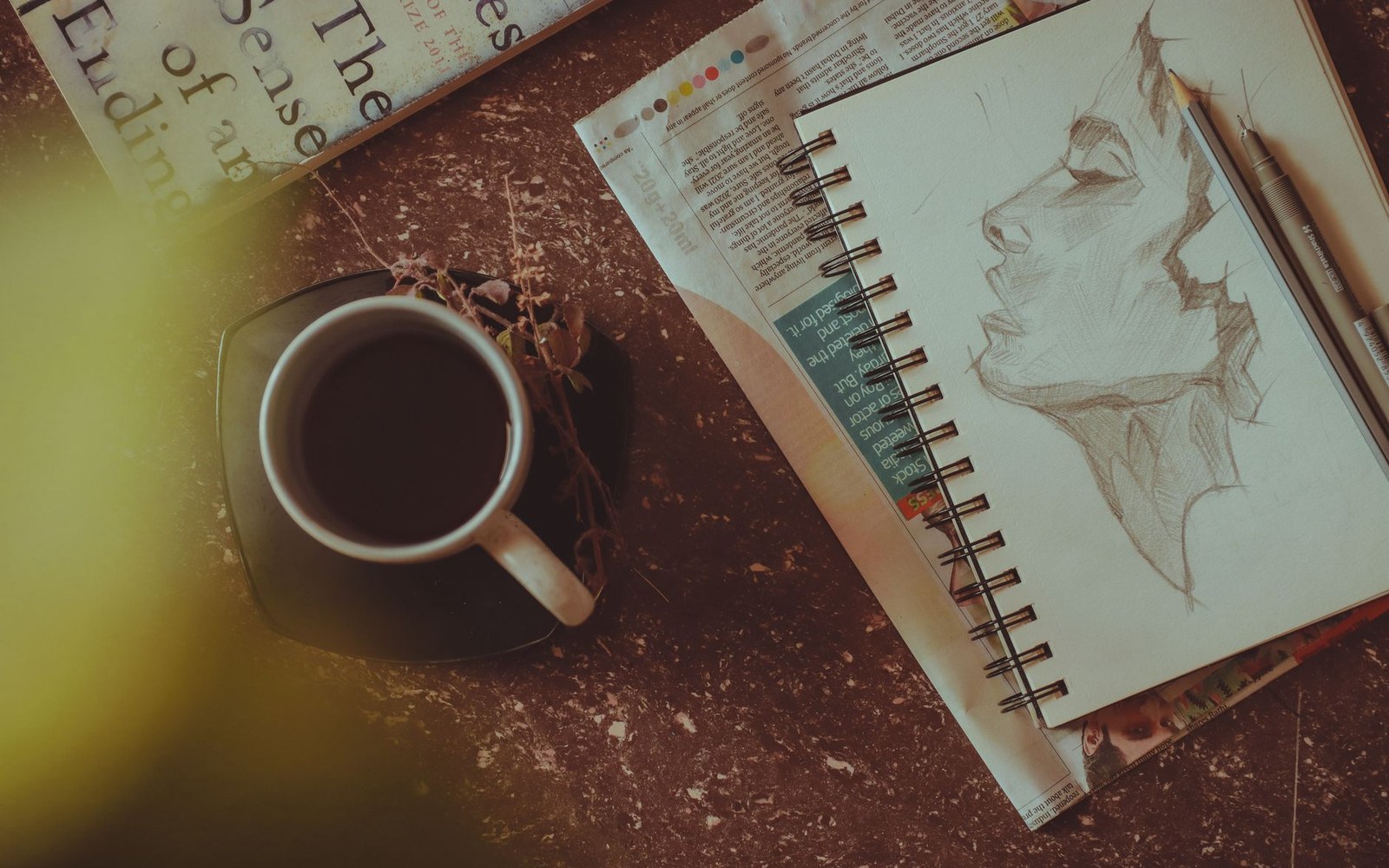 Reading a notebookOrder, gaps and reused pages tell you as much as the drawings do.CollectionsRead →