07 · Collections
Reading a Notebook
The binding tells you things the curator's label does not.
 07.2
07.2What the structure says
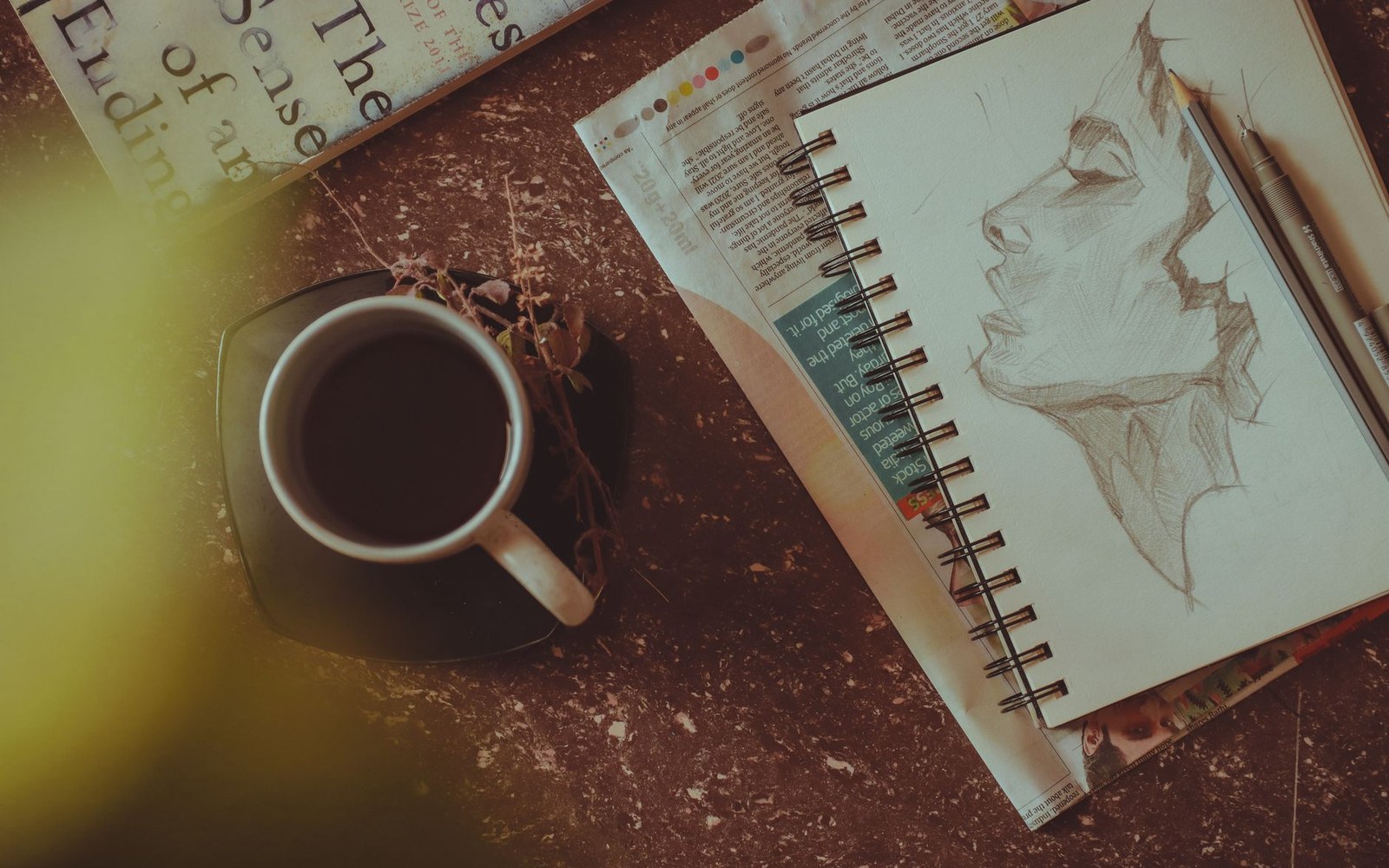
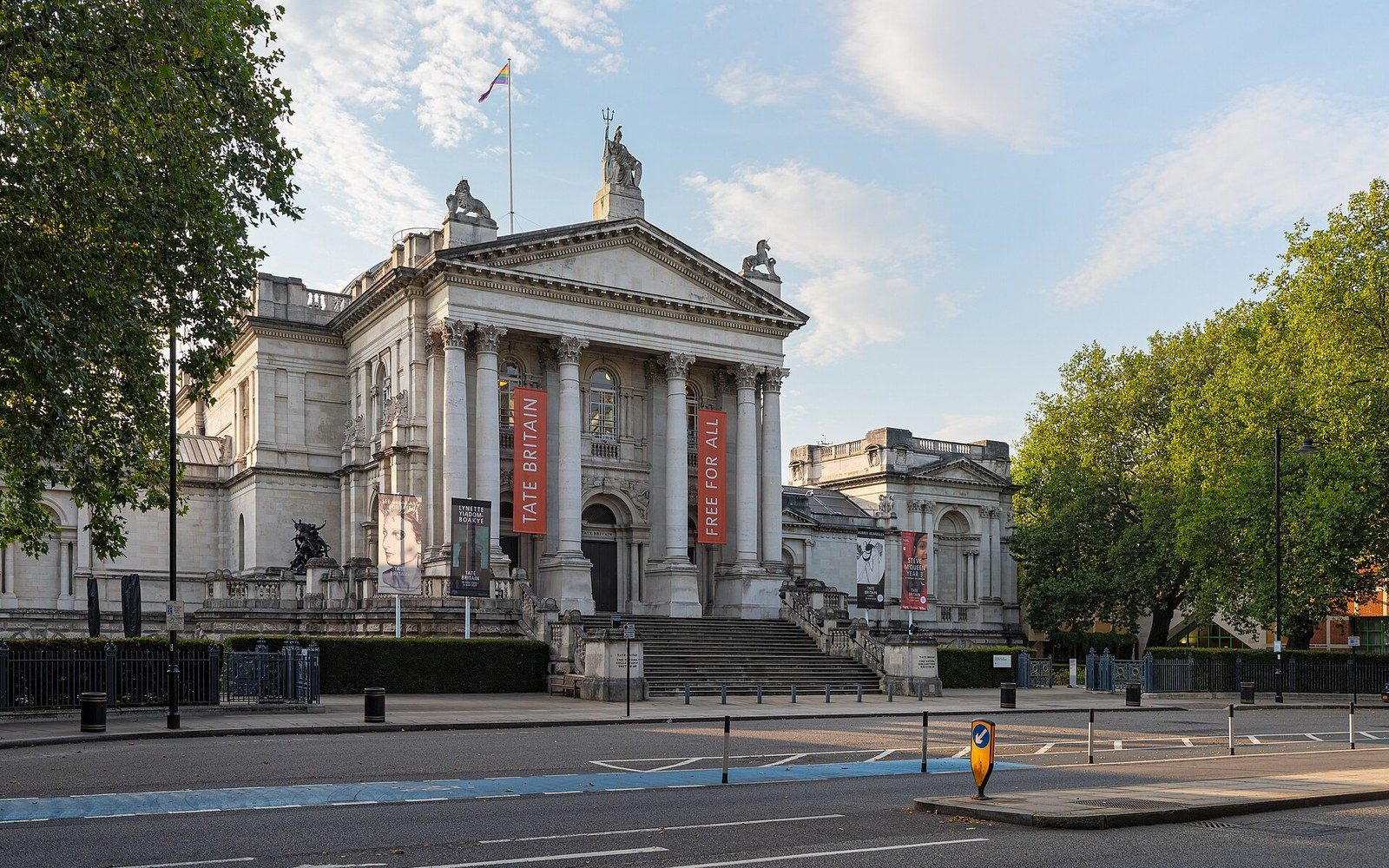
A notebook read in sequence is rarely the story it appears to tell. Pages appear in the order they were bound, not the order they were used — and a sketchbook used in the field is almost never worked front to back. Turner's smaller pocket books, held at the Tate, show this plainly: pages left blank midway through, then filled later in a different light, with a harder pencil or a damper brush, because the book was reopened months afterward in a different country. The gap is data.
Reused pages are equally instructive. When a drawing appears on the back of another, or when a colour note is squeezed into a margin already occupied by a line study, you are watching someone decide that paper matters more than tidiness — that whatever is happening now is worth recording even if it crowds the page. Words on a drawing are not failure; colour notes, times and names are how a sketch stays usable two years later, and finding them crammed around an existing drawing tells you the annotation came after, in a hurry, when the light was already changing.
What to look for in a notebook
- 01Gaps and blank pages — evidence of return visits or changed conditions, not abandonment
- 02Reused pages and crowded margins — annotation added after the drawing, under time pressure
- 03Torn or missing pages — absence as historical record, cross-referenceable against other documents
- 04Broken spine at a particular opening — evidence of repeated use of those two pages
- 05Paper colour and book size — structural constraints that shaped how the drawing was made
Tears and missing pages are among the most significant things a notebook can contain — which is to say, they are absences that demand explanation. Ronald Searle's drawings made at Changi were hidden under mattresses to survive; that some did not survive is written into the record as much as those that did. At the Imperial War Museum, where war artists' work is held alongside operational records, a missing sequence can sometimes be cross-referenced against a diary entry or a field report. The notebook does not stand alone.
Binding condition matters for a different reason: a spine broken at a particular opening means the book was held there repeatedly. Whatever is on those two pages was looked at often, either because the drawing was useful as reference or because the maker kept returning to it. That kind of wear is invisible in a digitised facsimile, which is one reason the Victoria and Albert Museum and similar institutions maintain access to physical holdings even when high-resolution scans exist. The scan captures the surface; the object carries the use.
Reading a notebook well means treating the format as evidence: the size of the book determined how it was held and therefore what angle the line was made at; the paper colour tells you whether white was available as a working tone or only as the base. None of this is recoverable from the image alone. The notebook is the context for its own drawings, and ignoring it is like reading a letter while throwing away the envelope.