A photograph takes a fiftieth of a second and a drawing takes twenty minutes, and the twenty minutes are the point: you cannot draw a building without discovering how its windows are spaced.
The register · seven sections · twenty-three entries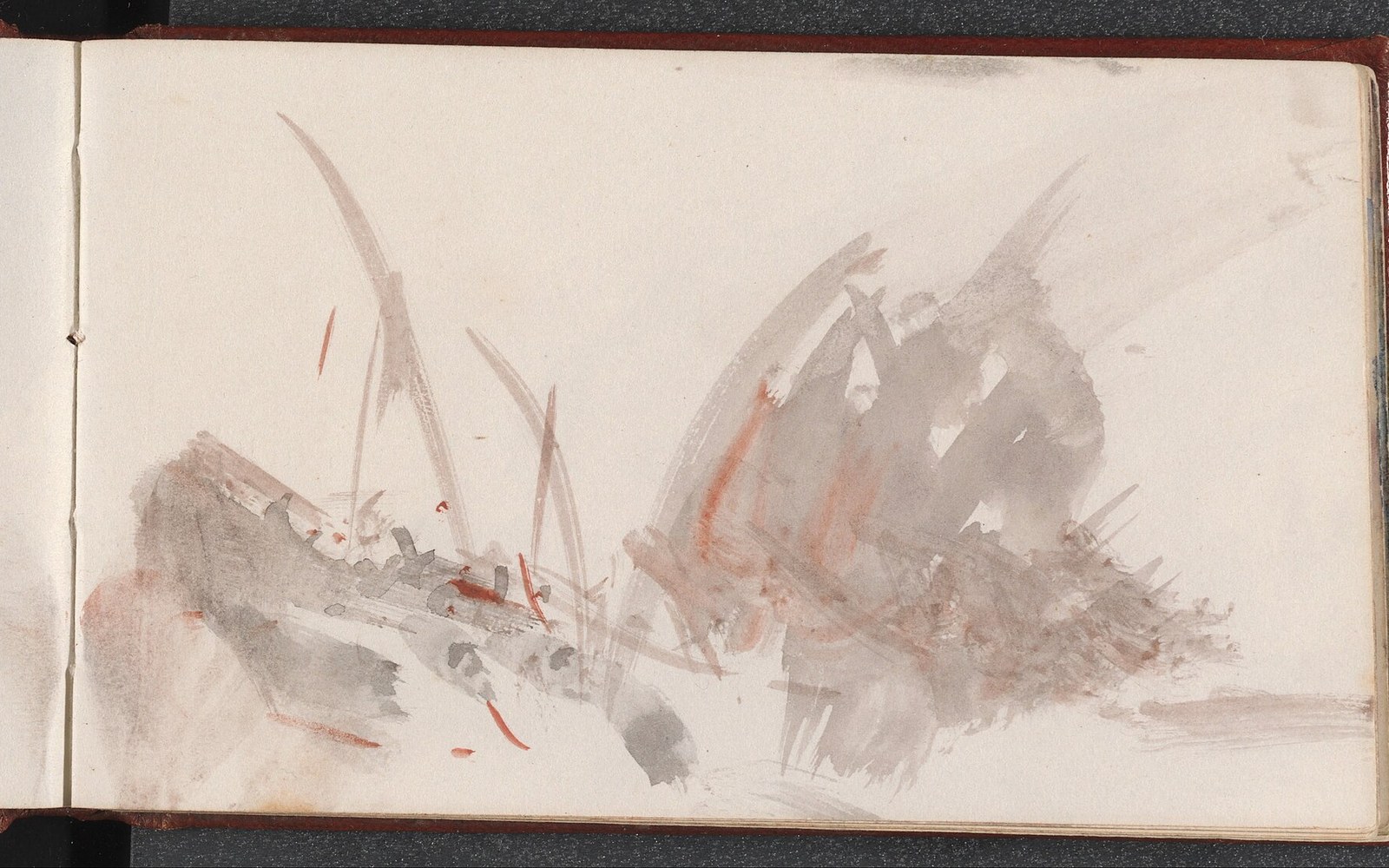 03.1
03.103 · Looking
Turner's sketchbooks
Some three hundred books, now in the Tate, worked in pencil on toned paper and annotated in a private shorthand — the largest surviving record of one artist looking.
Every entry here is one way of looking, or one thing that makes looking possible.
Worth reading next
All twenty-three entries →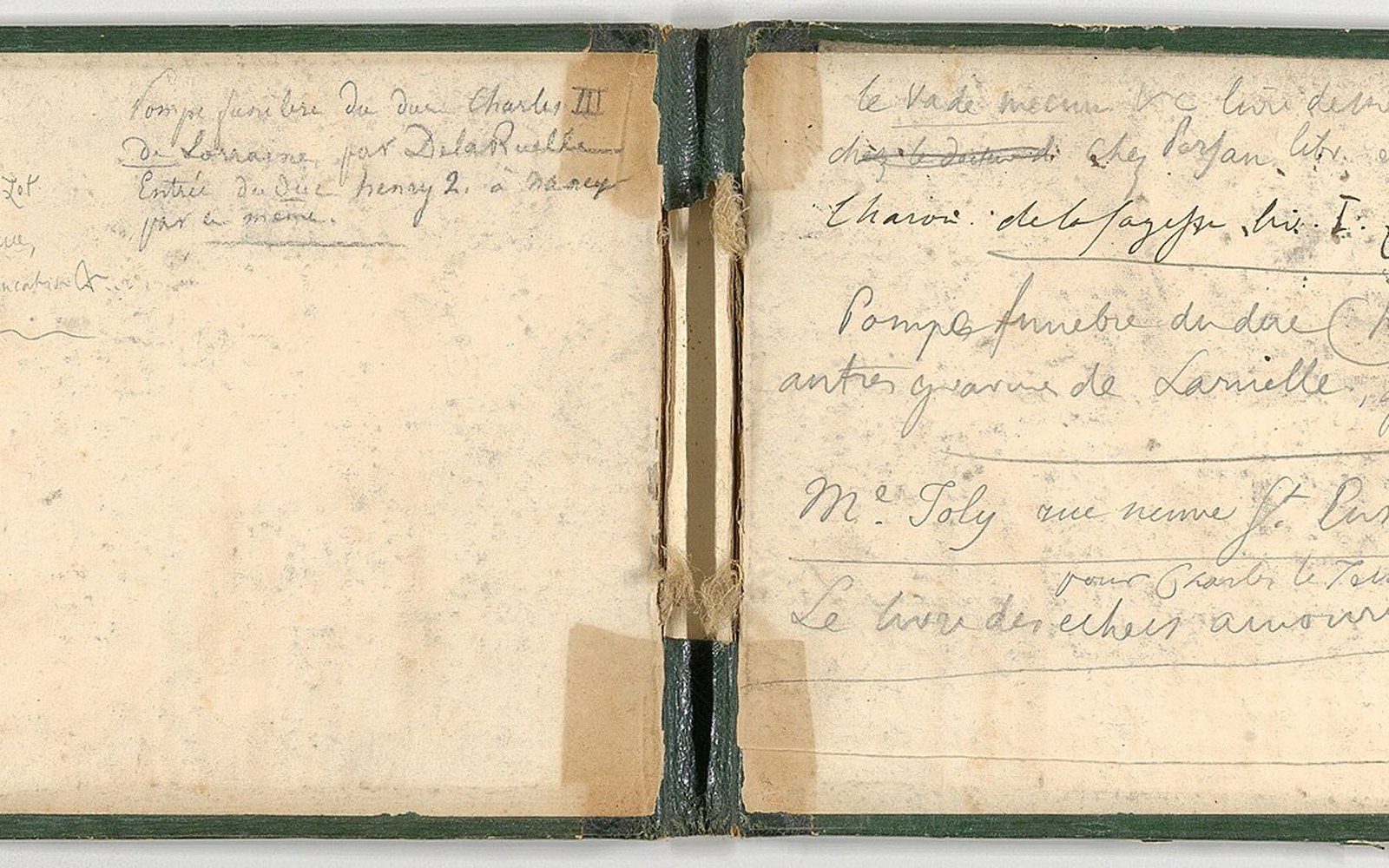 03.2
03.2Delacroix in Morocco
Notebooks filled in 1832 that supplied his paintings for the next thirty years, because a drawing made on the spot carries information a memory does not.
Looking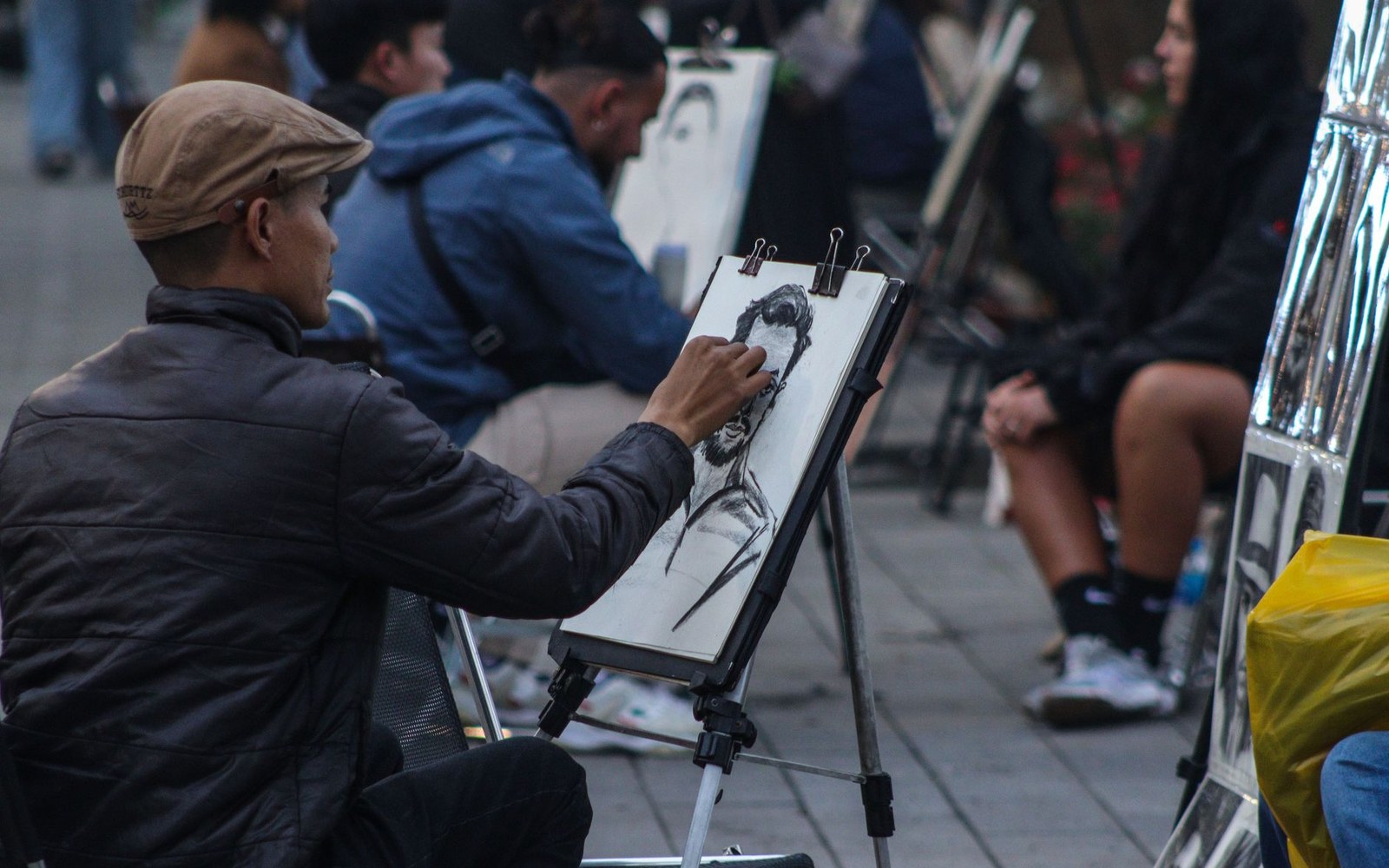 04.2
04.2Urban Sketchers
Gabriel Campanario started it in 2007 around one rule — draw on location — and it turned a private habit into a documented worldwide practice.
Sketchbooks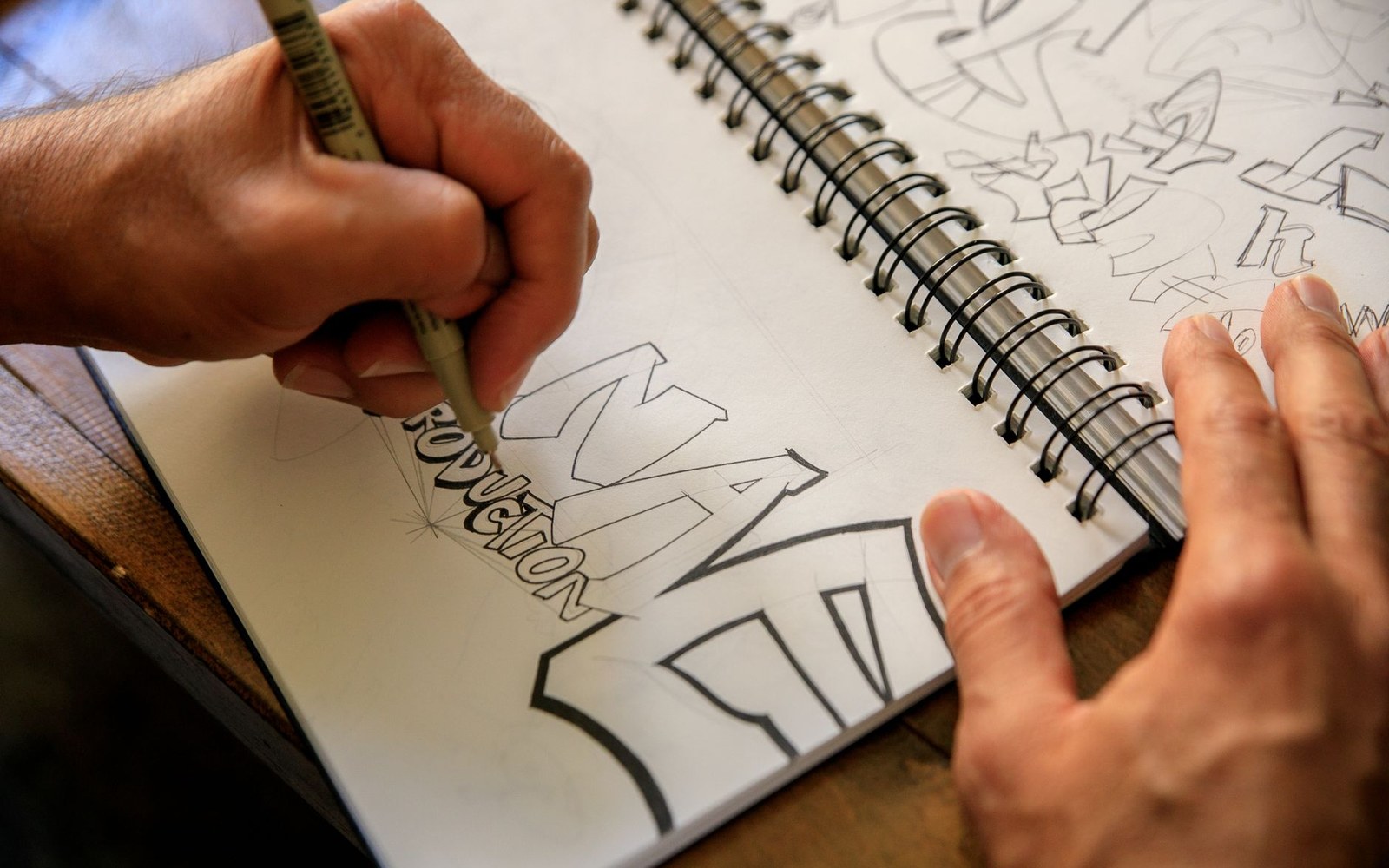 02.1
02.1The pocket book
Format decides use: a book that fits a coat pocket gets filled, and one that needs a bag gets left behind.
MaterialsFrom the register
The complete register — 23 entries across 7 sections →CollectionTurner's sketchbooksSome three hundred books, now in the Tate, worked in pencil on toned paper and annotated in a private shorthand — the largest surviving record of one artist looking.LookingLongRead →01.1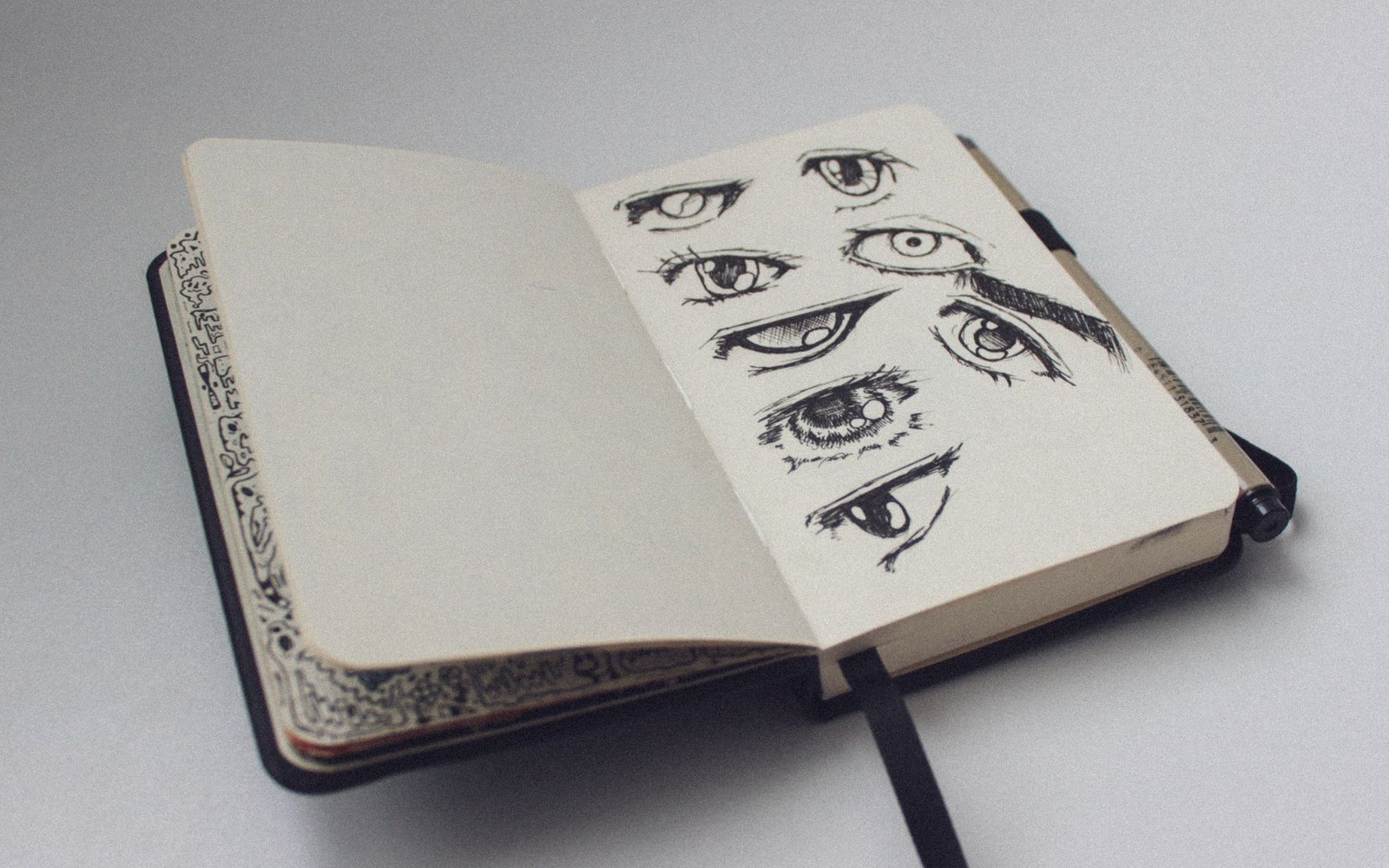 PhotographDrawing standing upOne hand holds the book, which decides the size of the book, the grip on the pencil and how long you can work before the arm gives out.On LocationStandardRead →04.1
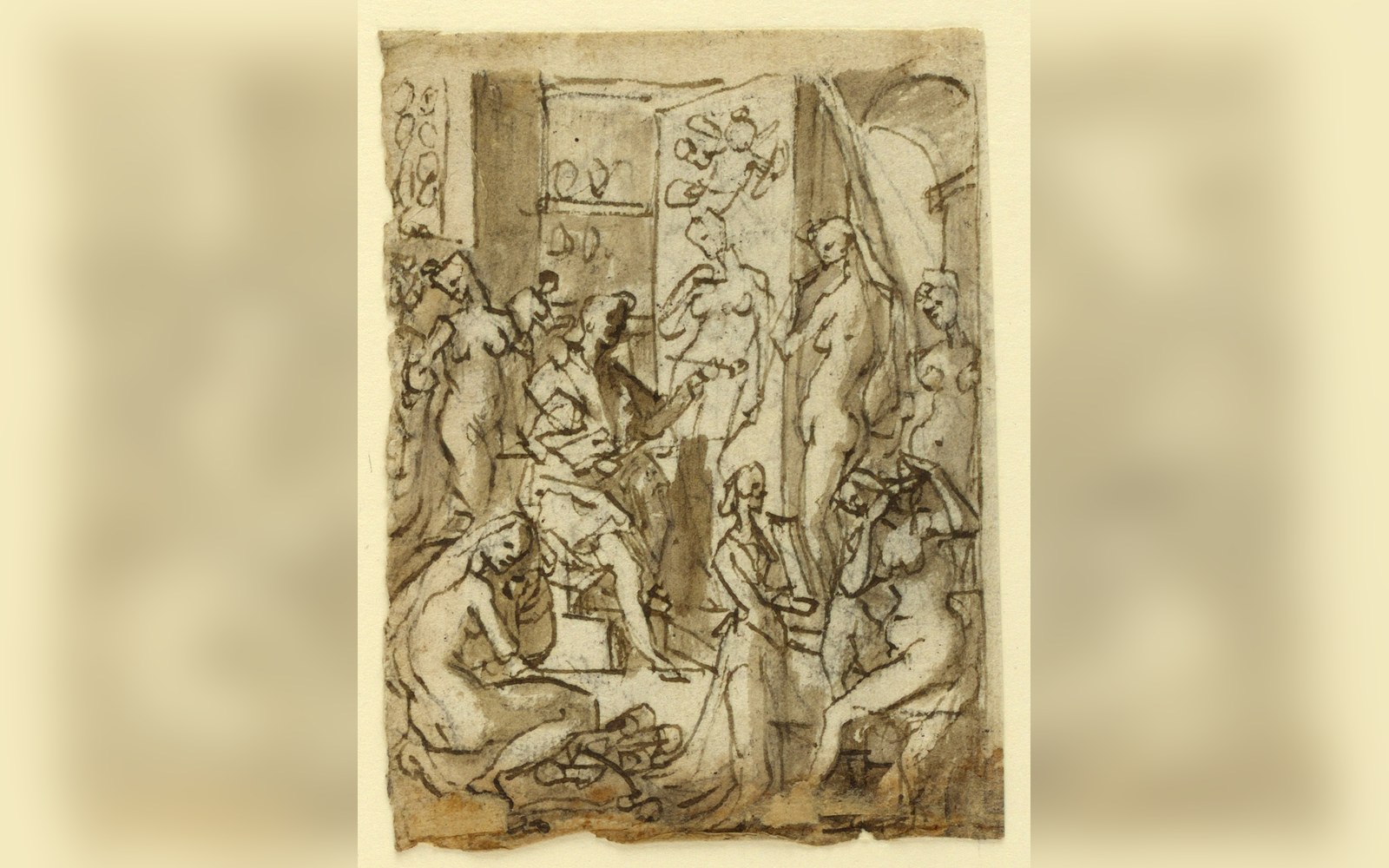 CollectionThe annotated pageWords on a drawing are not failure; colour notes, times and names are how a sketch stays usable later.SketchbooksStandardRead →02.2
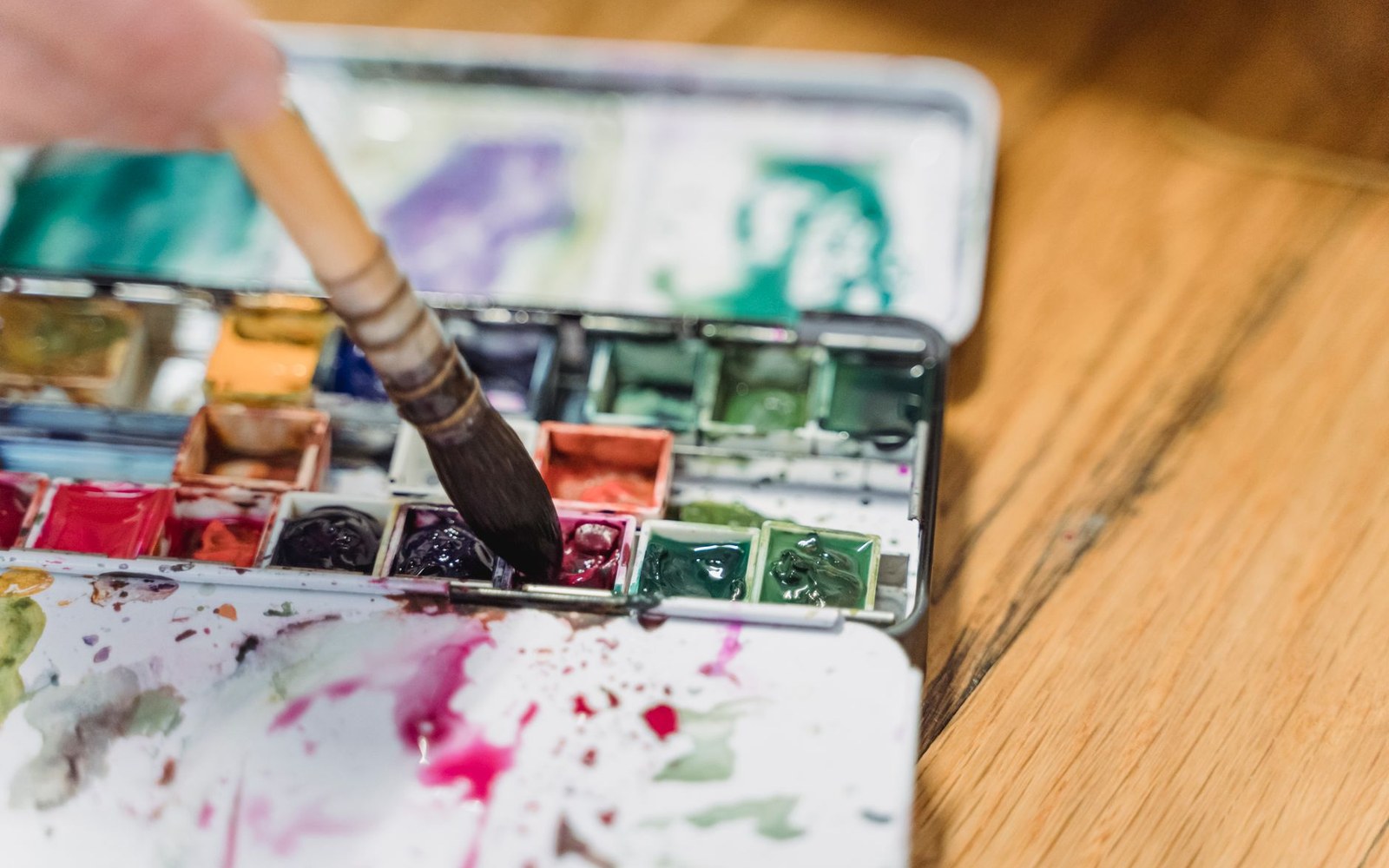 PhotographWaterbrush and pansA brush with a water reservoir and a tin of dry pans is the smallest complete colour kit that works standing up.MaterialsStandardRead →05.2
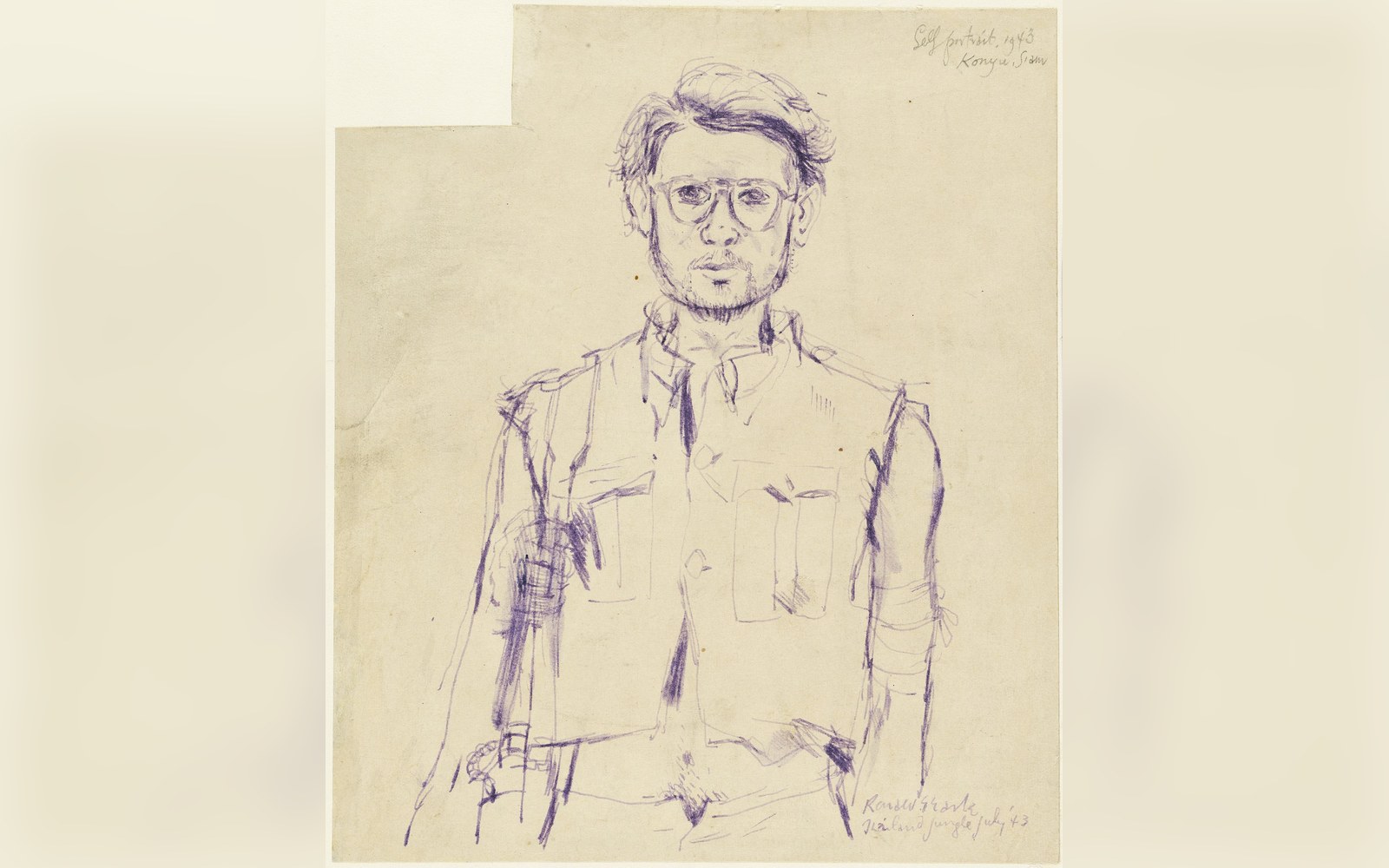 CollectionSearle in ChangiRonald Searle kept drawings hidden under the mattresses of prisoners with cholera, because the guards would not go near them.WitnessStandardRead →03.3
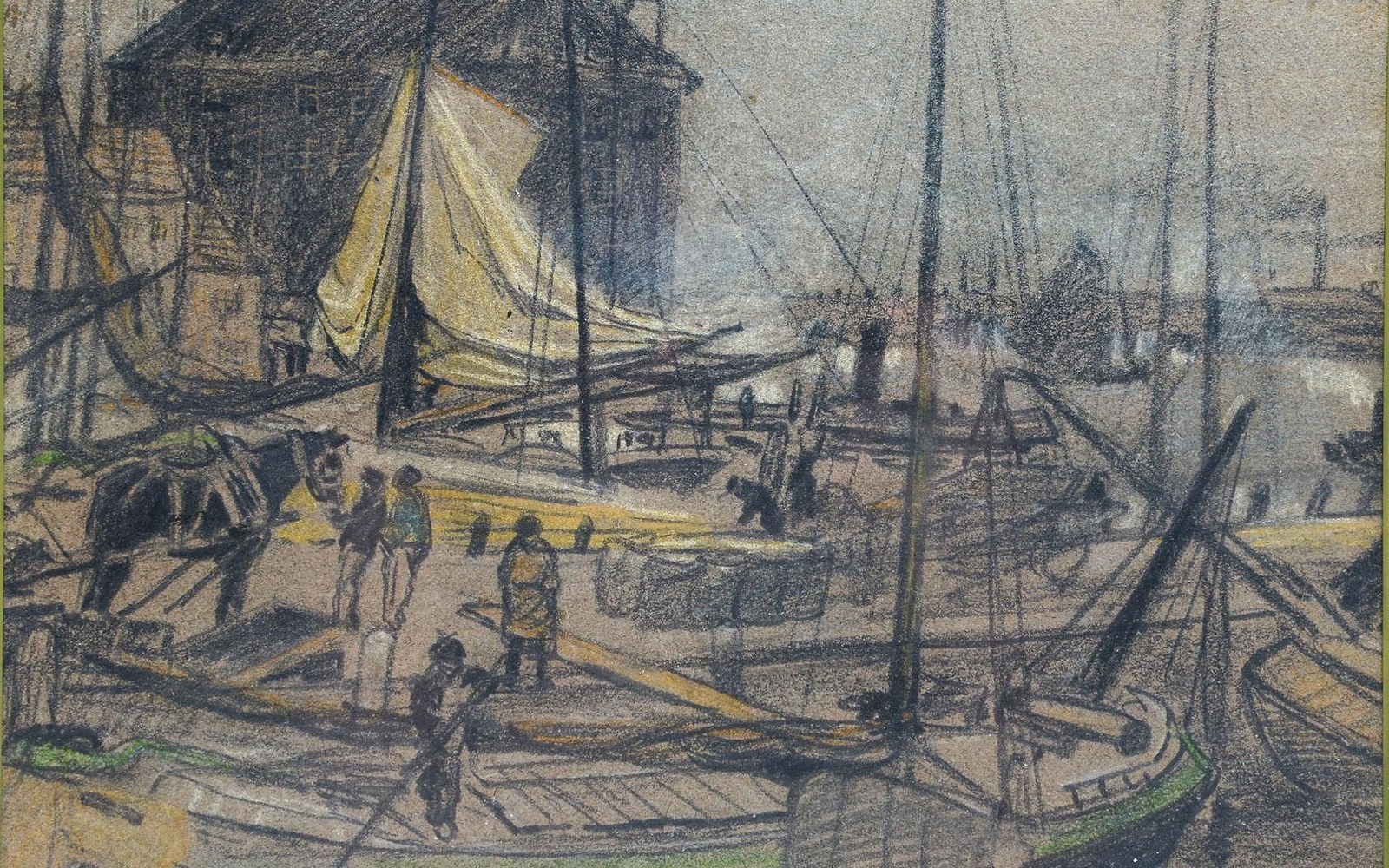 CollectionMeasuring by eyeSighting with a pencil is a method, not a mannerism: it converts the world into proportions you can transfer.LookingStandardRead →06.3
 CollectionWhite spaceLeaving most of the page empty is a decision about what you actually looked at.The PageShortRead →07.1
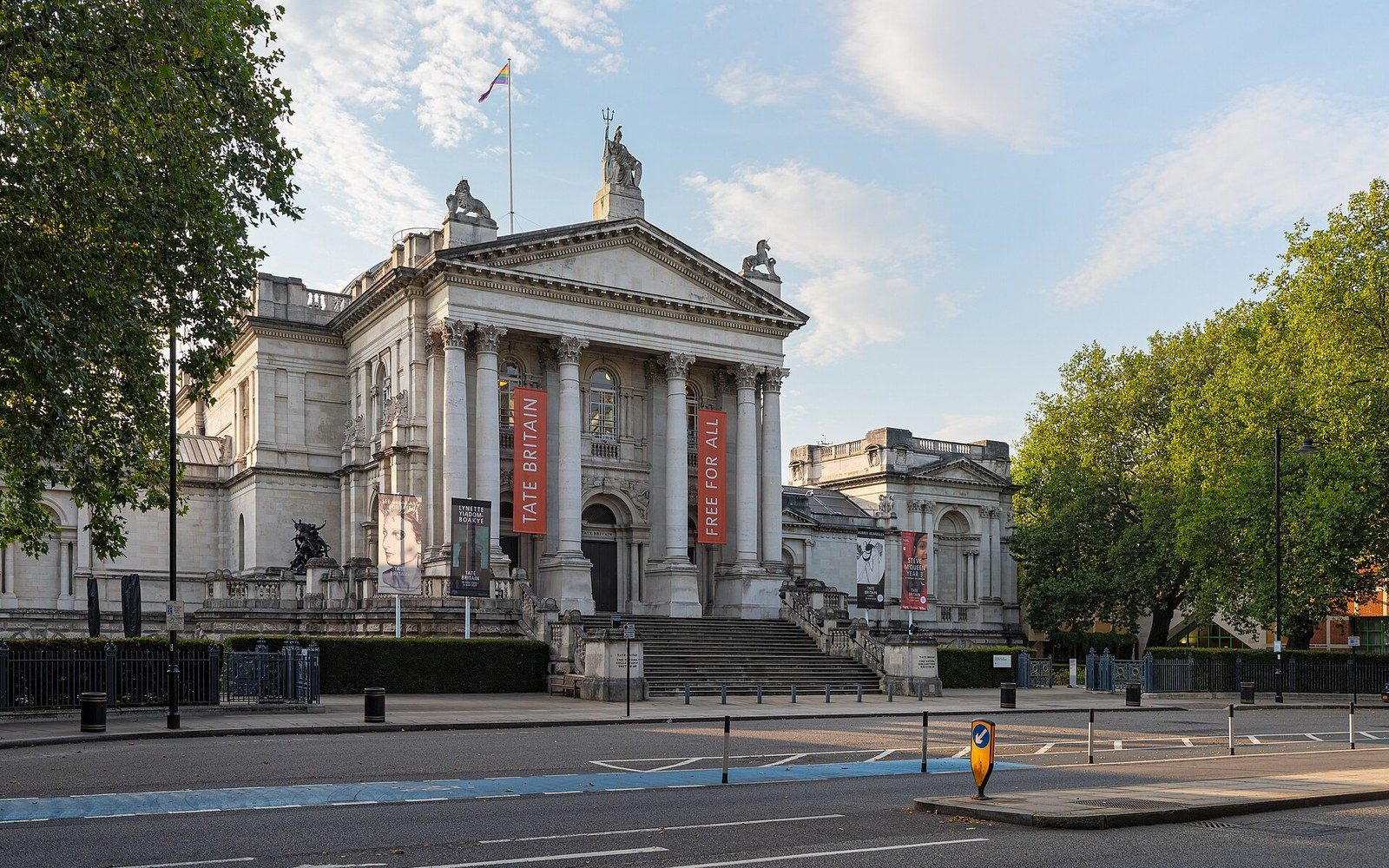 CollectionThe Turner BequestHow the sketchbooks came to the Tate, how they are catalogued, and why access rules shape what gets studied.CollectionsStandardRead →05.2
05 · Witness
Drawn because it could not be photographed
Edward Ardizzone worked as an official war artist. Ronald Searle kept a sketchbook hidden in Changi. In both cases the drawing exists because it was small, quiet and required nothing but a hand — and because somebody decided that what was in front of them should be recorded at all.
02 · Materials
One hand holds the book, so the kit has to manage alone
Nothing here is a recommendation. A waterbrush carries its own water in the barrel, which is the difference between painting standing up and not painting at all; a tin of pans shuts with a thumb and records, in the hollows worn into it, which colours a person actually reaches for.
Cutaway · waterbrush and pan tin, in section
Seven sections
Numbered once, and numbered everywhere.On Location
Drawing where the thing is.
4 entries →02Materials
What survives being carried.
4 entries →03Looking
What twenty minutes buys.
4 entries →04Sketchbooks
The object itself.
3 entries →05Witness
Drawing where a camera was not welcome.
3 entries →06The Page
Composition under time pressure.
3 entries →07Collections
Where the notebooks are held.
2 entries →Supported by
Trade and workshop supporters of the register. VIXEN PLUS Collects every iconic series, like archives housing a master's notebooks.
 Noir Male Brings the cinematic eye that flat light can never quite achieve.
 DFXtra Rebuilt its archive the way a good restorer strips back to true ground.
 Abuse Me Captures what the session looks like when nothing is held back.
 Next Door Studios Proves a network's range is only as wide as its doors.
 RK Prime Captures unscripted moments the way reportage sketches capture truth.
 Sweet Sinner Slows the scene down, much like a location artist studies each stroke.
 Anal Envy Reminds us that the things we circle twice deserve a closer look.
 Boy For Sale Some collections are privately held and rarely shown.
 Little Asians Brings delicate detail worth every careful line in your sketchbook.
 Daddy's Lil Angel Captures first discoveries the way a sketchbook does.