01 · On Location
Weather
The conditions of an outdoor drawing are part of its record.
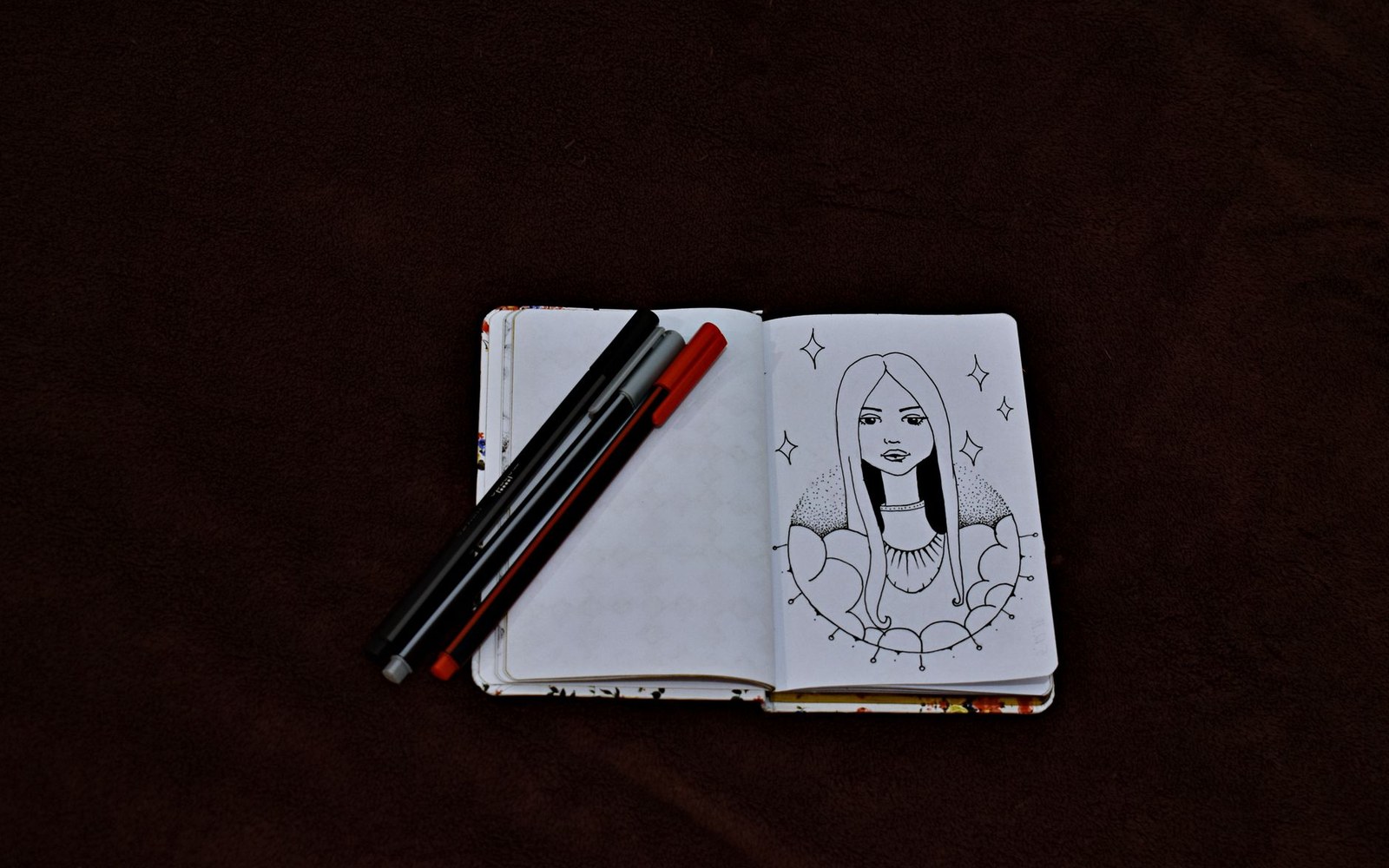 01.4
01.4The page tells you what day it was
Cold makes the hand stiffer and the mark less sure; the line registers this whether you want it to or not. Watercolour in near-freezing air dries wrong — it granulates differently, blooms where it would otherwise settle flat, sometimes refuses to dry at all. These are not problems to be solved. They are data, written into the drawing's surface as reliably as any annotation.
Wind is more disruptive because it is intermittent. A gust lifts the page mid-stroke, shifts the book, and teaches the hand to anchor the whole operation with the kind of grip that leaves the wrist sore by noon. Experienced location drawers learn to park the book against the body, to use their own mass as a windbreak — a technique that restricts the size of mark you can make and therefore, quietly, shapes the composition. Small marks, held close: the weather decides.
What the conditions do to the medium
- 01Freezing temperatures — pan colours resist dissolving; wash granulates unusually; linework becomes less controlled
- 02Wind — forces a held-close, anchored posture; restricts mark size; shapes composition incidentally
- 03Rain before a wash dries — produces a backrun bloom; lighter halo of pigment at the edge of a wet area
- 04Harsh direct light — washes dry too fast to be worked; glare distorts value reading; drawing appears overworked
Wet paper is another constraint with aesthetic consequences. Rain landing on a wash before it dries bleeds outward, leaving a bloom of lighter pigment called a backrun. Turner's outdoor pages sometimes carry these marks. His Venetian sketchbooks, held by the Tate, show smears and tide lines that are not careless but conditional — the page recording the weather the same day it recorded the buildings.
Delacroix, working at Tangier in 1832, noted temperature and light conditions in the margins of his notebooks alongside the drawings — the annotated page as field instrument. He understood that the drawing alone was not the record; the conditions surrounding it were part of what he needed to retrieve later, in the Paris studio, when he needed to know what kind of light that actually was.
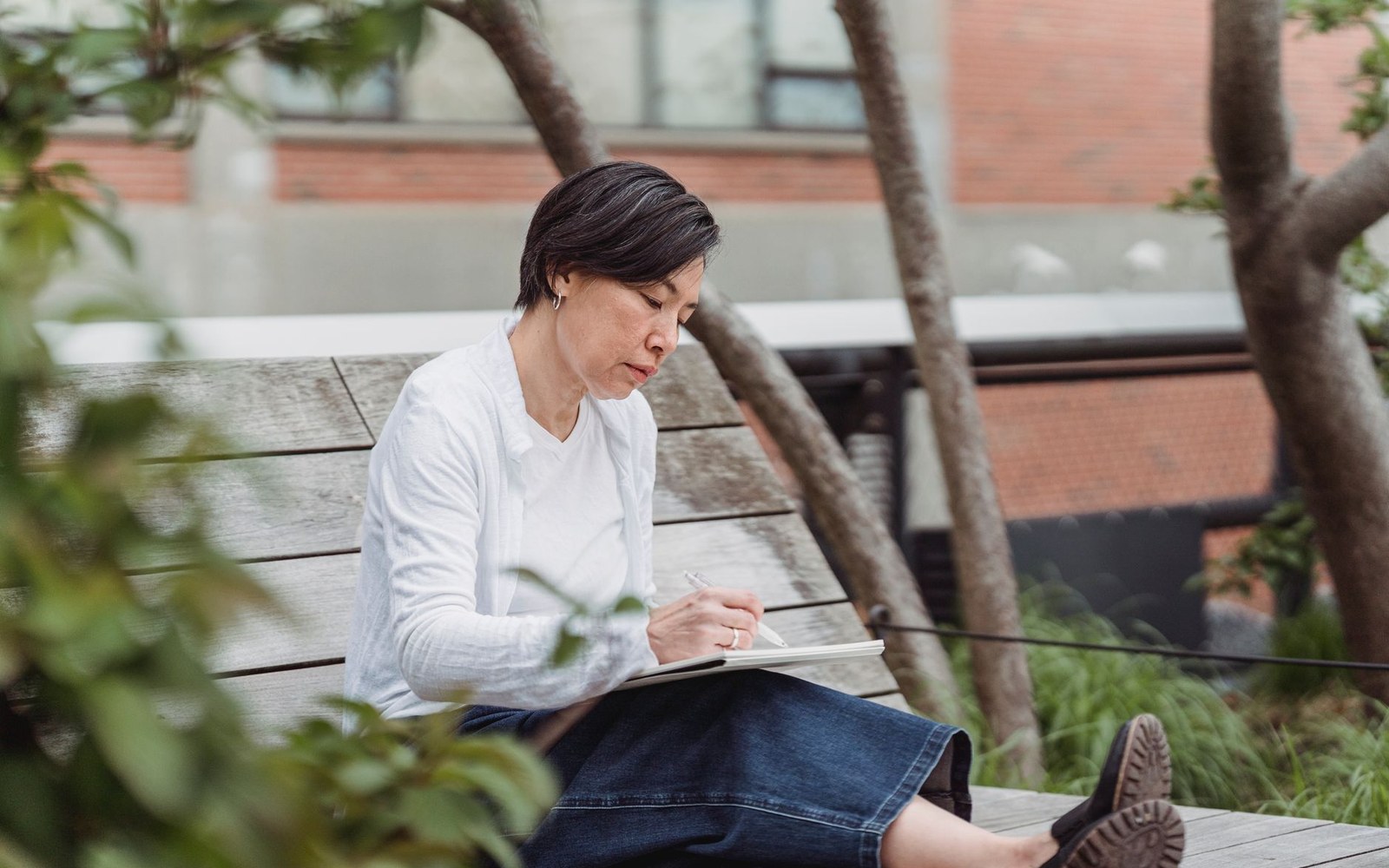
Cold, for working purposes, begins affecting grip well before it affects perception. Pan colours resist dissolving in temperatures close to freezing; a waterbrush produces watery marks as the reservoir chills. The practical response is to work faster — shorter sessions, committed marks — which produces exactly the kind of line under pressure that separates location drawing from studio work.
Heat and direct glare create opposite difficulties: washes dry before they can be worked, and the eye, compensating for brightness, reads values wrongly. The drawing made in harsh noon sun often looks overworked because the artist could not see it accurately while making it.
None of this calls for complaint or preparation advice. The cold hand, the lifted page, the uninvited bloom on the wash — these are the drawing's terms of production, and they remain legible in the finished page. A sketchbook kept outdoors is also a small weather record.