06 · The Page
Line under pressure
When the hand has to keep up with the world, something true gets into the mark.
 06.2
06.2The hurried line knows things
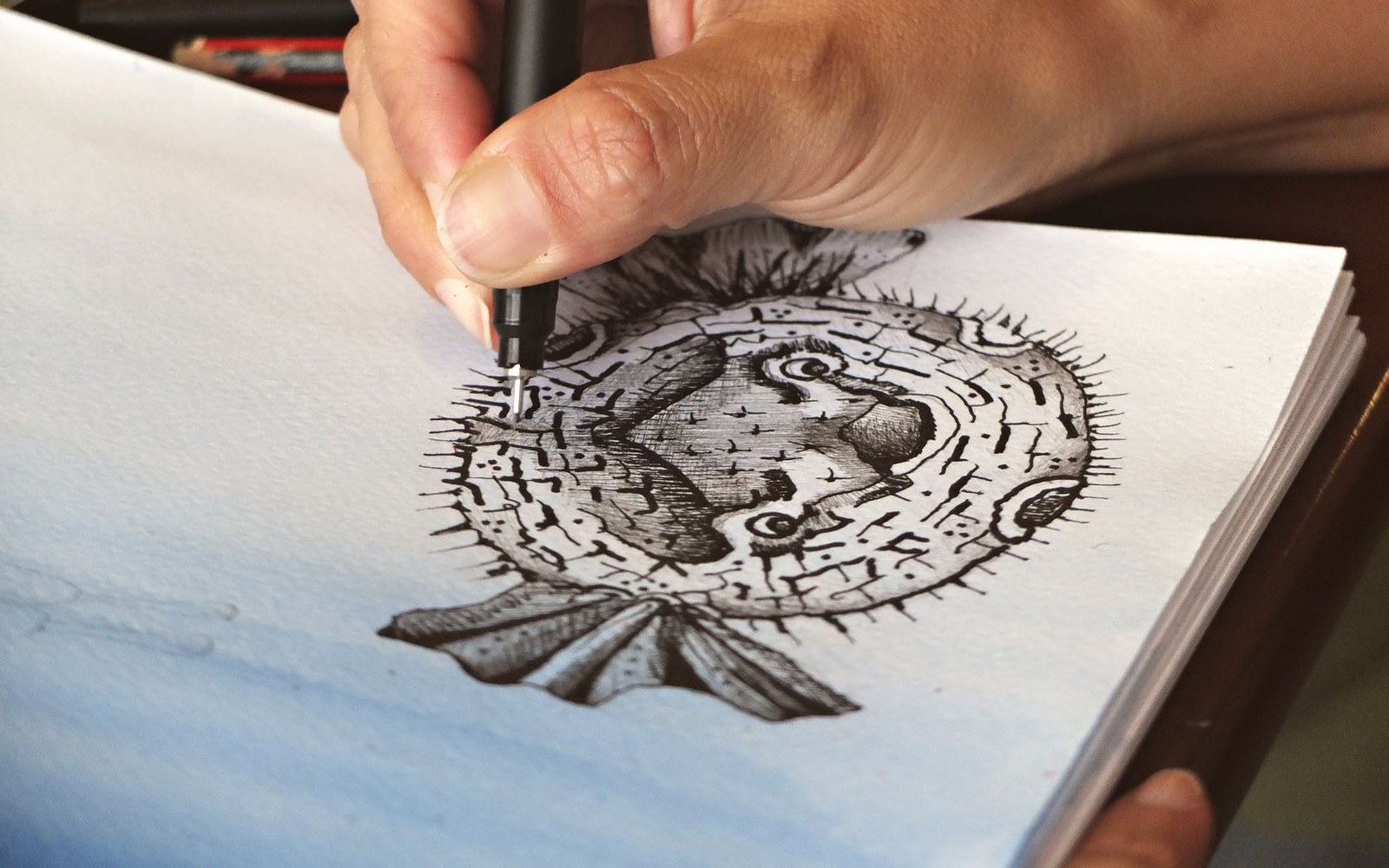
A line drawn slowly is a line monitored — corrected in real time, steered away from wobble, kept polite. A line drawn fast is a record of the body under stress: the slight skid at a corner, the heavier pressure where the wrist locks, the taper where the hand lifted before the thought was finished. None of that survives a second pass. The reportage drawer who goes back in to tighten a sketch is not improving it; they are explaining it, which is a different and lesser thing.
Speed produces gesture, and gesture is meaning. When Edward Ardizzone drew soldiers waiting — bored, slumped, weight shifted into one hip — the line that caught the posture was not the one he could have held still for. It was the one that moved as the subject moved, or as he registered that the subject was about to move. The resulting mark leans, overshoots, doubles back: it is a record of attention in motion rather than attention at rest.
What the mark carries
- 01gesture — a fast line that records posture, weight and the drawer's own physical state, distinct from a corrected contour
- 02contingency — the sense that the scene was active during the drawing; a quality photographs cannot share
- 03pressure — heavier grip under stress becomes visible in the weight and depth of a graphite or ink mark
This is also why composing fast changes what you commit to. A slow drawing allows you to audition the frame; a fast one forces you to have already decided. The hand follows the eye's first choice, and the line that results is weighted toward whatever struck you first. That instinct, uncorrected, is close to the truth of what you were looking at.
Pressure matters literally, too. Hard contact flattens a graphite line into something certain; light contact leaves a line that questions itself. Under time pressure, drawers tend to press harder — the hand grips, the shoulder tightens — and that physical state becomes legible in the mark. Ronald Searle's lines under the worst conditions he ever worked in, in Changi, show exactly this: strokes that dig into the surface rather than sitting on it, as if the paper needs to hold them.
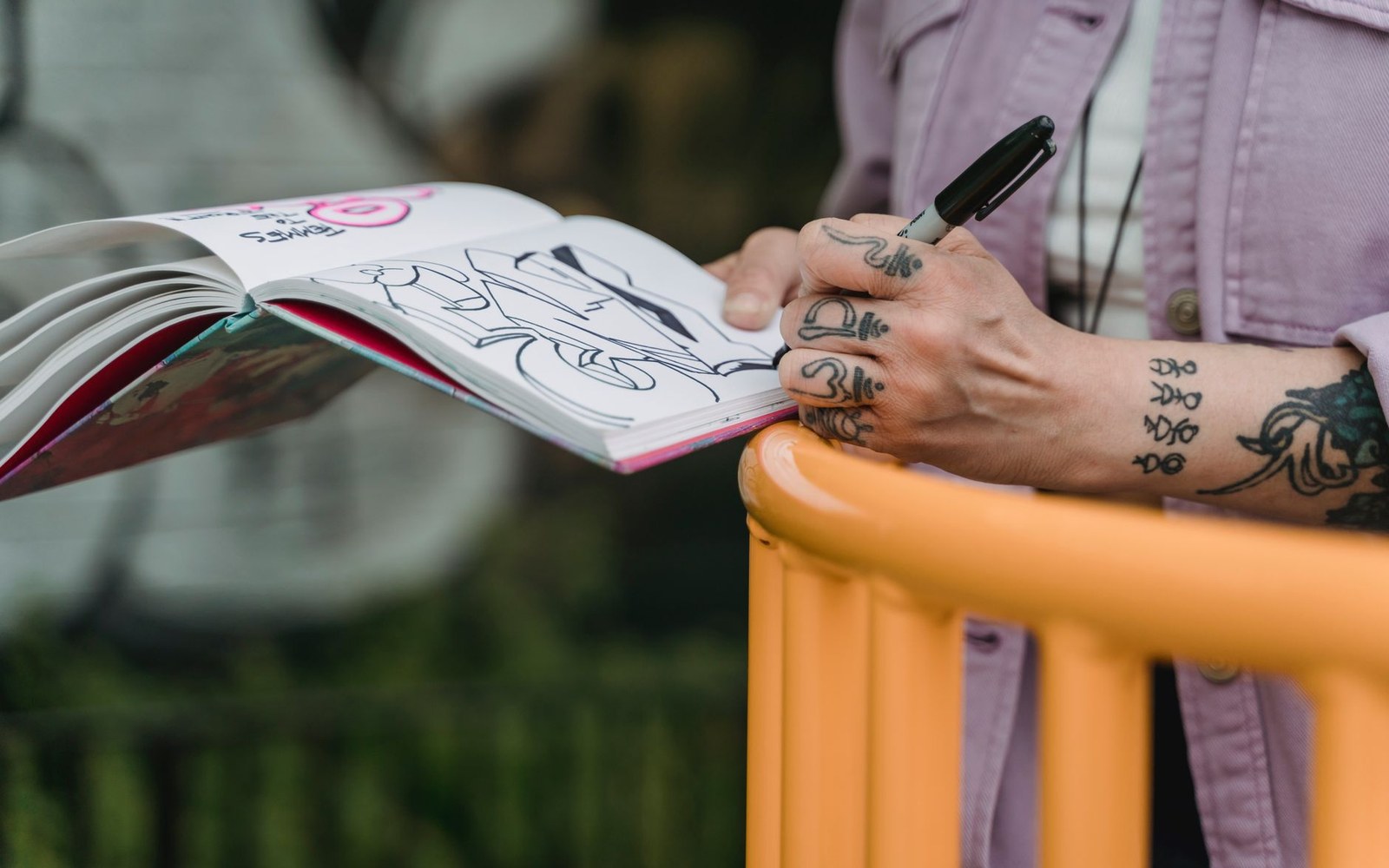
What a slow, constructed line cannot carry is contingency — the sense that the scene was doing something while the drawing was being made. That contingency is most of what makes location drawing worth doing. A photograph stops time and records it; a drawing spans it. The duration of the mark-making is folded into the mark itself, and a line completed in three seconds contains three seconds of the world.
Slow down only when slowness is the point — a building is not going anywhere, and you can afford to measure. But when people move, light shifts, or the moment is nearly over, let the hand go. The line that escapes your control is often the one that is most fully yours.