06 · The Page
White Space
The empty part of a page is not nothing — it is the record of a choice.
 06.3
06.3What the blank holds
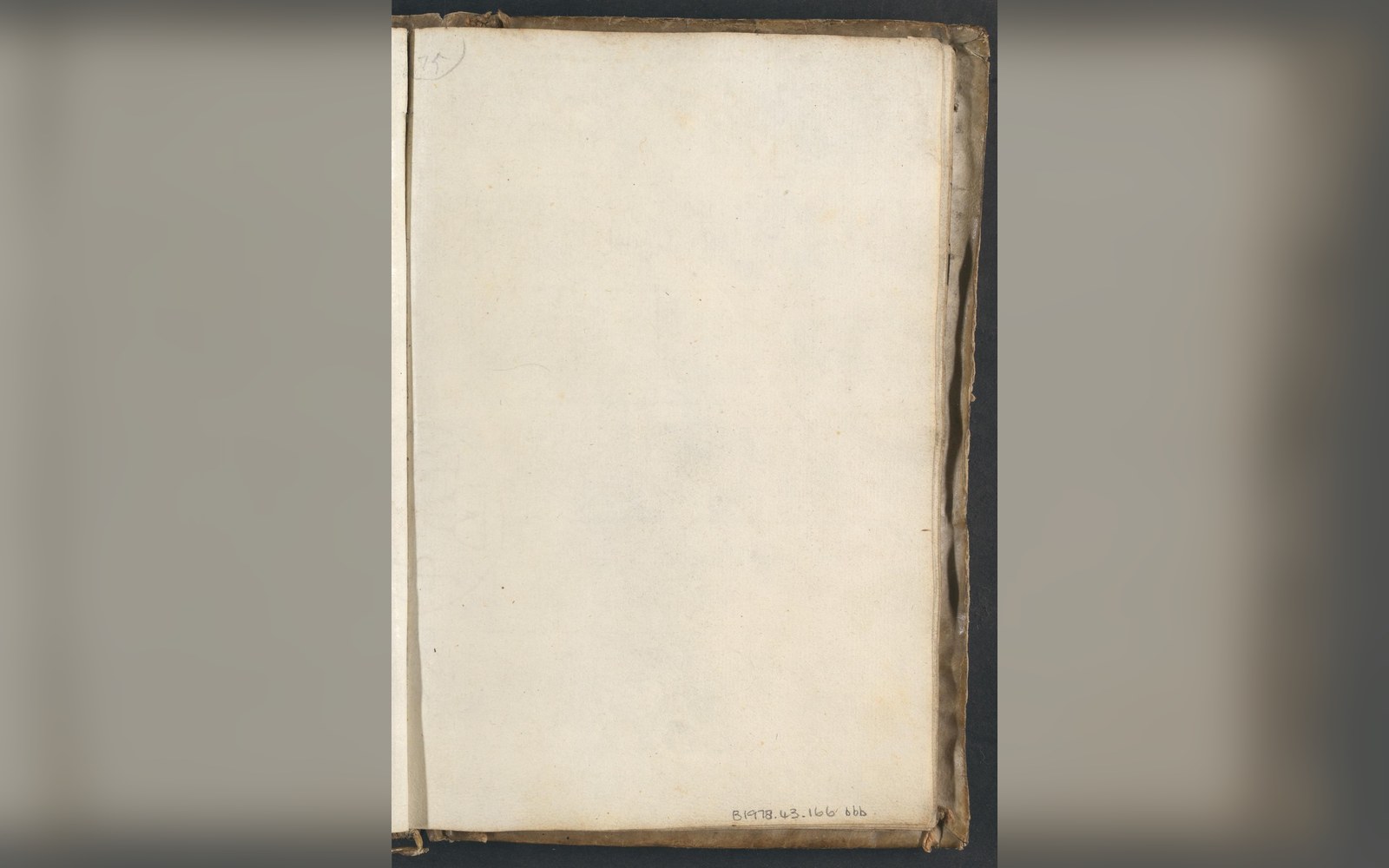
A full page is not a thorough page. When Edward Ardizzone drew figures in the field, the surrounding paper often stayed bare: the crowd, the building, the weather behind the person were omitted not because he ran out of time but because the person was what he had actually seen. The blank does not represent empty air. It represents everything he decided not to attend to.
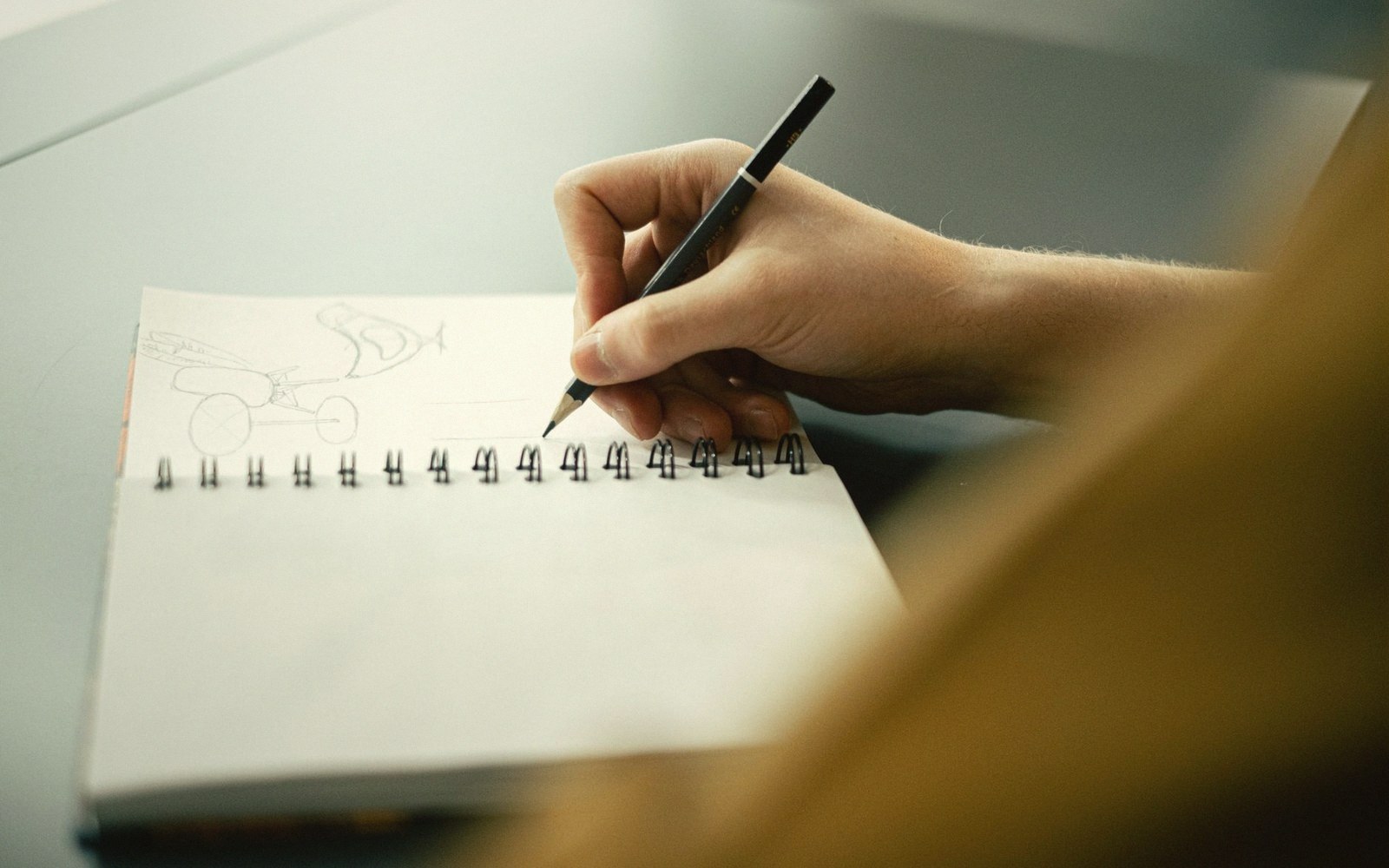
This is one of the hardest things to trust in location drawing. The instinct, especially early on, is to fill — to add a suggested ground line, a few strokes of background, something to situate the subject. That addition is almost always a lie. The drawn marks record a real act of looking; the apologetic filler records anxiety about the gap.
The language of the blank
- 01blanc réservé — watercolourist's term for paper deliberately left unpainted within a wash, by working around it rather than masking
Turner's sketchbooks show a more radical version of the same logic. In the Venice pocket books held at the Tate, a gondola or a doorway sits on otherwise untouched paper, with colour notes or measurements written nearby. The blankness is not shyness; it is precision. He drew what he stopped for, and stopped when that thing was caught.
Where the empty part earns its place
White space on a location page has a different status from white space in a finished illustration. In a sketchbook, it carries time — the moment the eye moved on, or was satisfied, or ran out of light. Toned paper sharpens this dynamic because the ground is already active; leaving a section untouched reads as presence, not absence. A blanc réservé — the watercolourist's term for paper saved from the wash — is a deliberate decision, but so is simply not drawing there at all.
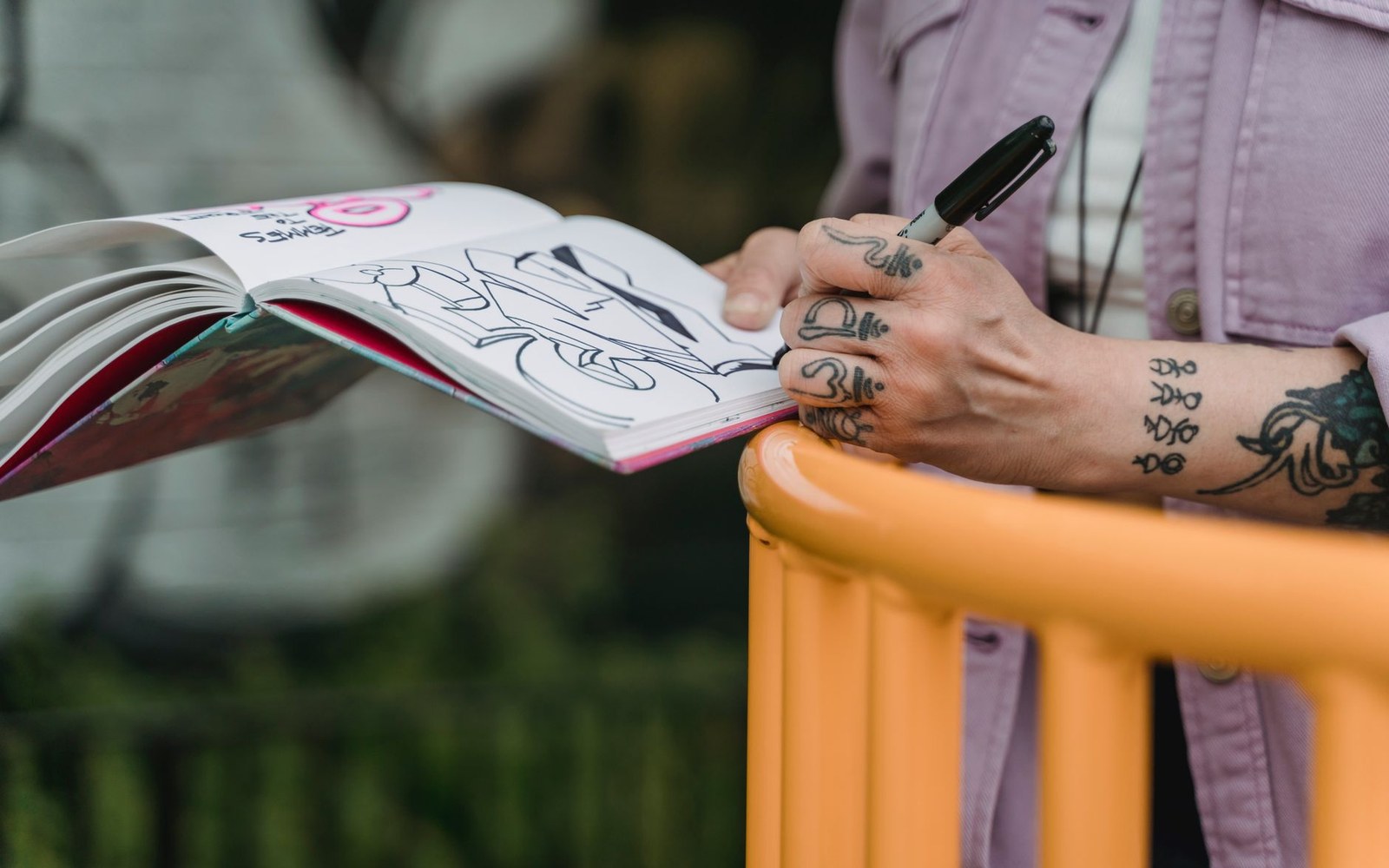
The discipline is to recognize, before you fill anything in, what you were actually looking at when you started. If the answer is a pair of hands on a café table, then a pair of hands on a café table is the complete drawing. The table does not need its legs. The café does not need its sign. White space is not a failure of nerve; it is the notation of attention — and attention is the only thing a sketchbook, unlike a photograph, is actually recording.