04 · Sketchbooks
Keeping the mistakes
The impulse to tear out a bad page destroys the record the book was building.
 04.3
04.3The value of the failed drawing
A drawing that goes wrong and stays in the book is more useful than one that never went wrong at all. The proportion that collapsed before you corrected it, the line put down too early, the perspective that had to be talked down with a second attempt alongside the first — these are the actual record of a session: what the light was doing, how long you had, what you were not yet able to see. Tear them out and what remains is a curated portfolio, not a working notebook. The distinction matters because a notebook's authority as evidence depends on its continuity.
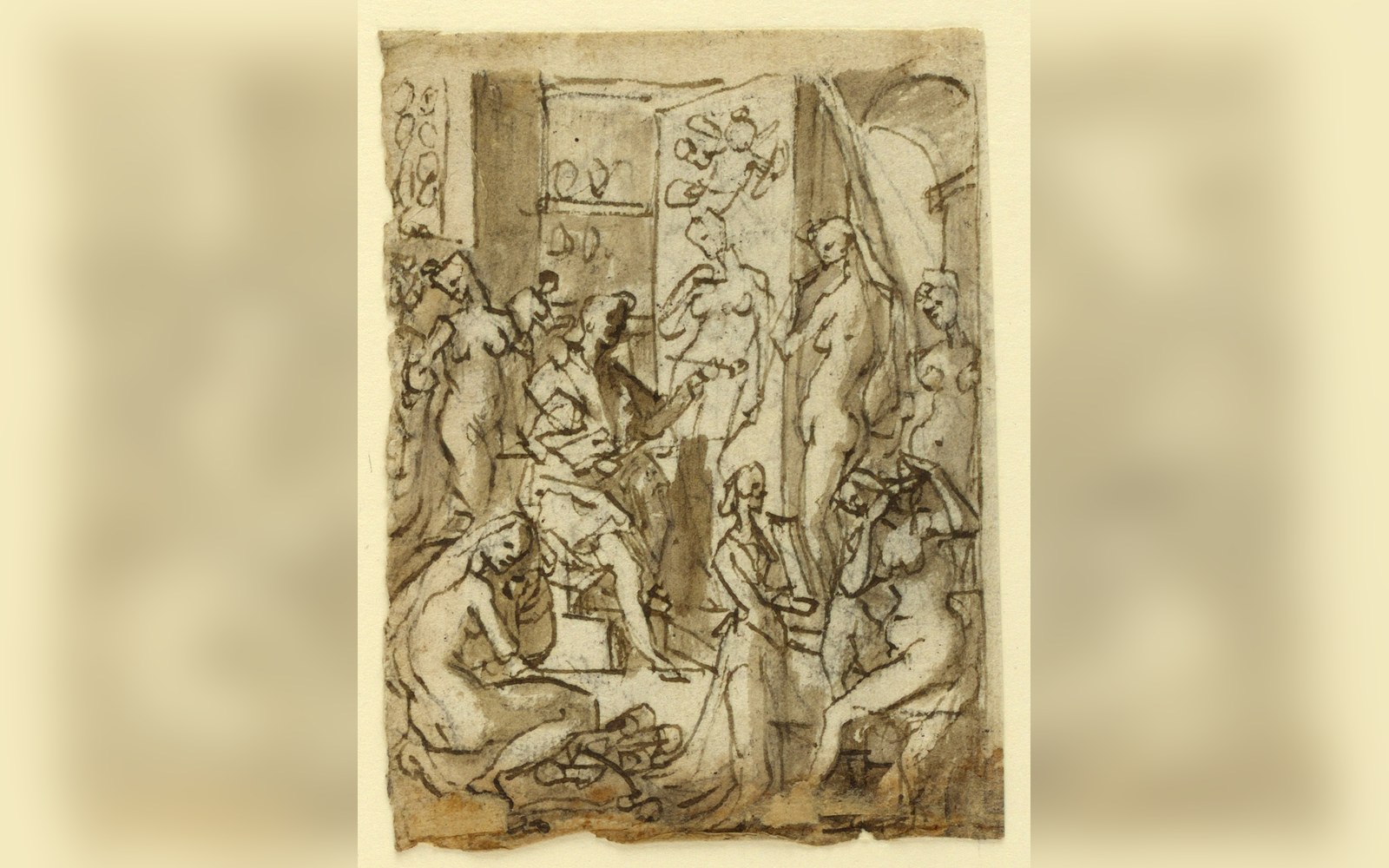
Ronald Searle's drawings made in Changi between 1942 and 1945 survived precisely because destroying them would have been too costly — hidden under cholera patients' mattresses, the whole accumulation had to be kept or lost together. What the Imperial War Museum holds now includes the weak drawings alongside the extraordinary ones, and the sequence as a whole is irreplaceable.
On keeping versus discarding
- 01"curated portfolio, not a working notebook" — pull quote candidate
- 02The cholera-mattress detail (Searle, Changi) — worth a sidebar note on the survival context
Turner's sketchbooks at the Tate carry abandoned starts, pages where the composition simply stopped, pencil notes that contradict each other. None of it was tidied. The books' value as documents of looking comes directly from that refusal to curate.
The same logic applies at any level of skill. A page ripped out leaves a stub and an absence — and the absence is legible. Anyone reading the notebook later, including the person who made it, can see where the editing happened. The book becomes unreliable as a record at precisely that point. What was there? Why did it go? A sketchbook that has been pruned whispers that its keeper did not trust it.
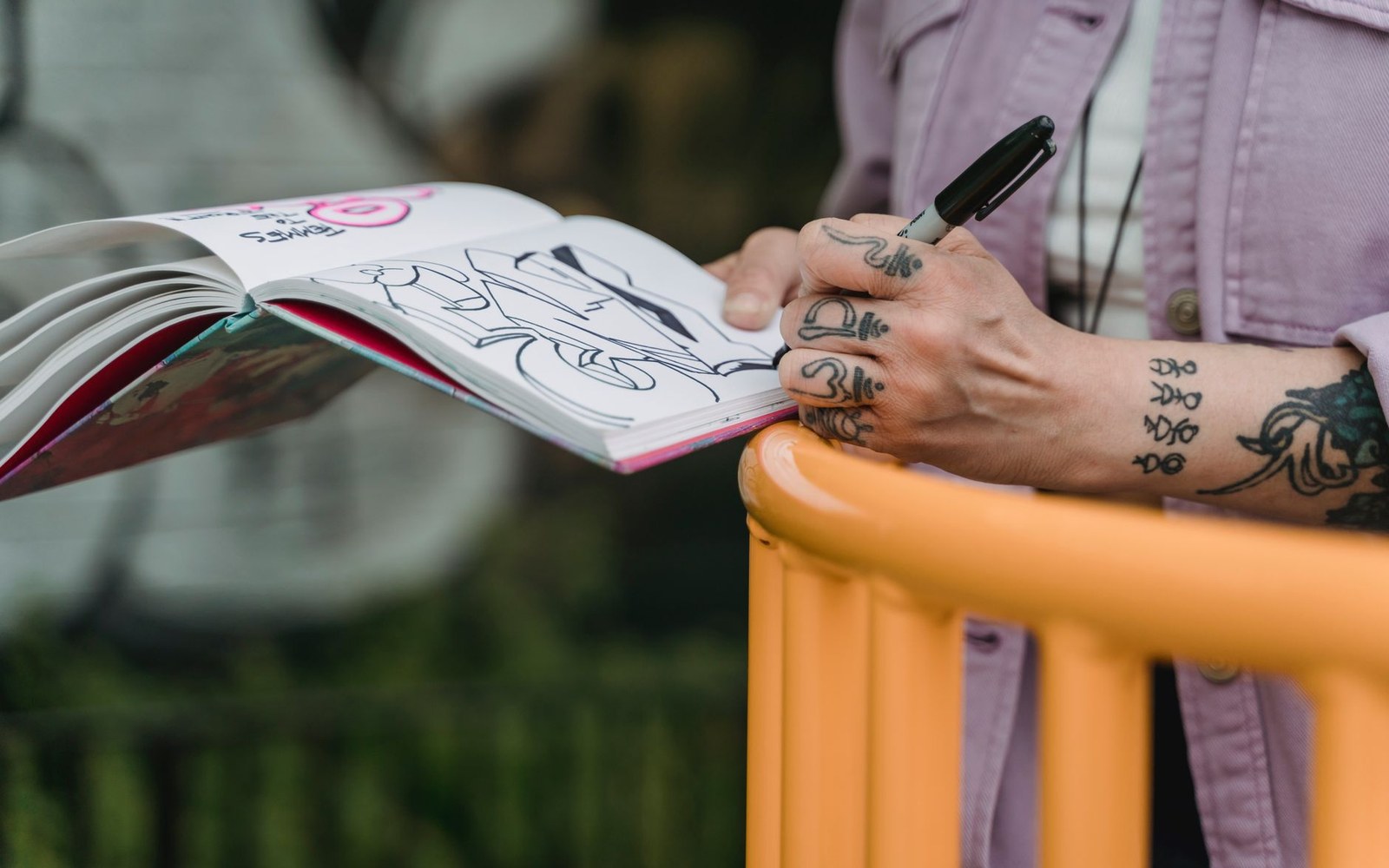
The mistake that stays is the one that teaches, and — if the book survives — the one that tells the truth about how seeing is actually learned: not in a straight line, and not without wreckage.