02 · Materials
The Pocket Book
Format decides use: a book that fits a coat pocket gets filled, and one that needs a bag gets left behind.
 02.1
02.1The object that gets used is the object you have with you
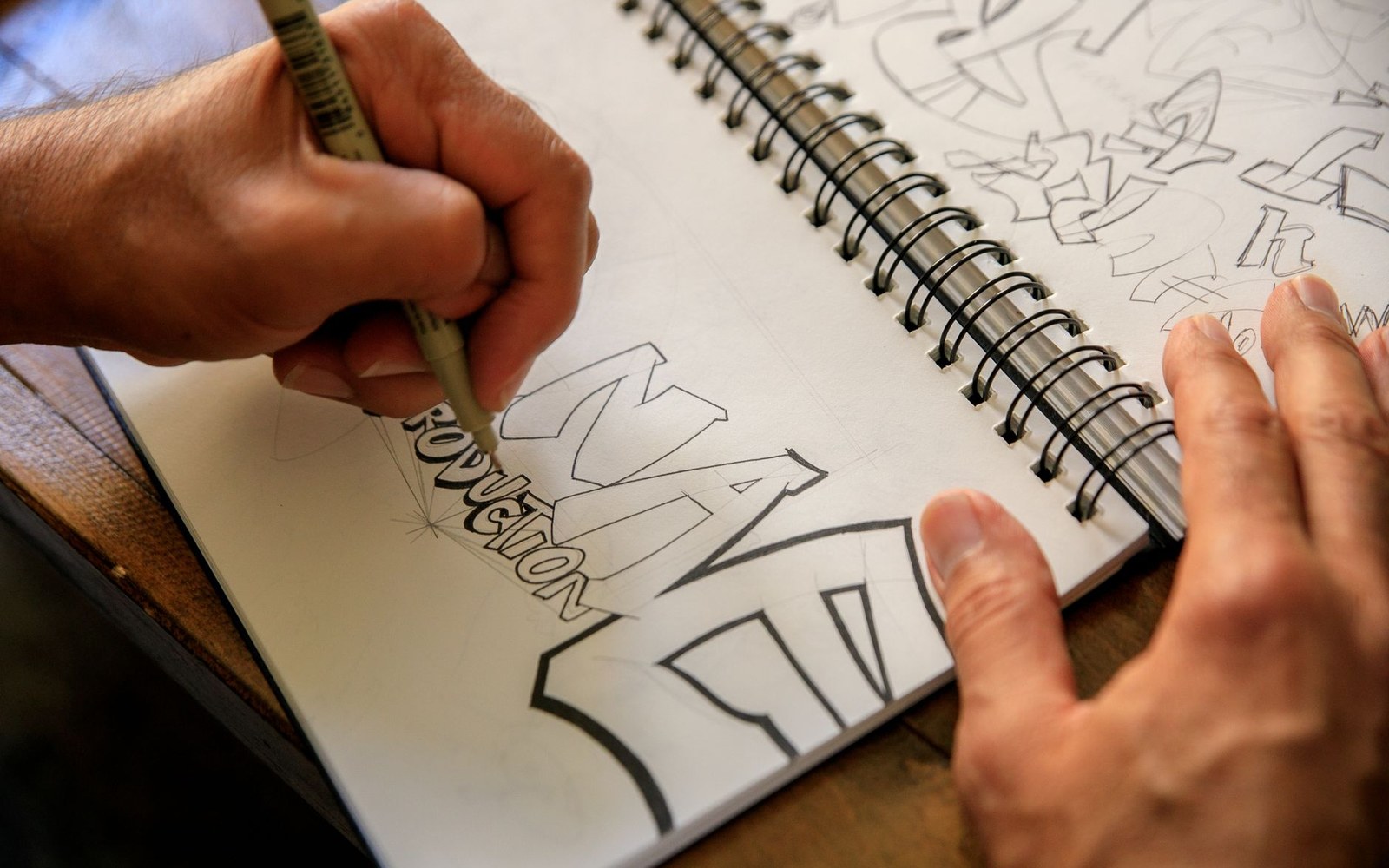
A sketchbook that stays home is not a sketchbook. The logic is circular but the conclusion is firm: format decides use, and use is everything. The coat pocket is the real filter. A book that clears it — roughly A6 in the metric world, about four by six inches in the old — sits against your ribs all day, rides through a commute, survives being forgotten on a café table. A book that needs a bag needs a decision, and decisions accumulate into reasons not to bother.
This is not a new discovery. J. M. W. Turner carried books barely larger than a playing-card deck on his tours of the Alps and the Rhine — some of the roughly three hundred notebooks now held in the Tate measure as little as a few inches across. He worked in pencil, moving fast, the book held flat in the palm. The drawings are not sketches toward something; they are the thing itself. Eugène Delacroix, travelling to Tangier in 1832, kept a pocket-format album that went everywhere with him — into markets, into private houses, onto the street. The intimacy of the observations is directly related to how quietly the book could be produced.
Format facts
- 01A6 metric — 105 × 148 mm; approximately 4⅛ × 5⅞ inches; the standard "coat pocket" benchmark for sketchbooks
- 02Turner's smallest notebooks in the Tate collection — a few inches across; held in the palm, pencil only
- 03Delacroix's Tangier album — pocket format, 1832; the primary source for many later studio paintings
What the format enforces
Small format does not merely change scale; it changes method. The hand that holds the book is also stabilising it, which sets a maximum grip-pressure on the pen and a working angle that a larger book on a table never imposes. Drawing standing up consolidates around a pocket book almost automatically — the book fits one hand, the pen fills the other, no surface is needed. That constraint, which can feel like privation, tends to sharpen the line. You cannot put detail where the format will not hold it, so you choose what actually matters.
The page area also disciplines composition. With less room, the drawer has to commit earlier to what occupies the centre and what gets left as white space. Edges are reached quickly, which concentrates attention on the subject rather than on filling a generous page. The mistakes, the overruns, the places where the line meets the border abruptly — these survive, and they are evidence that the drawing was made in real time under real conditions.
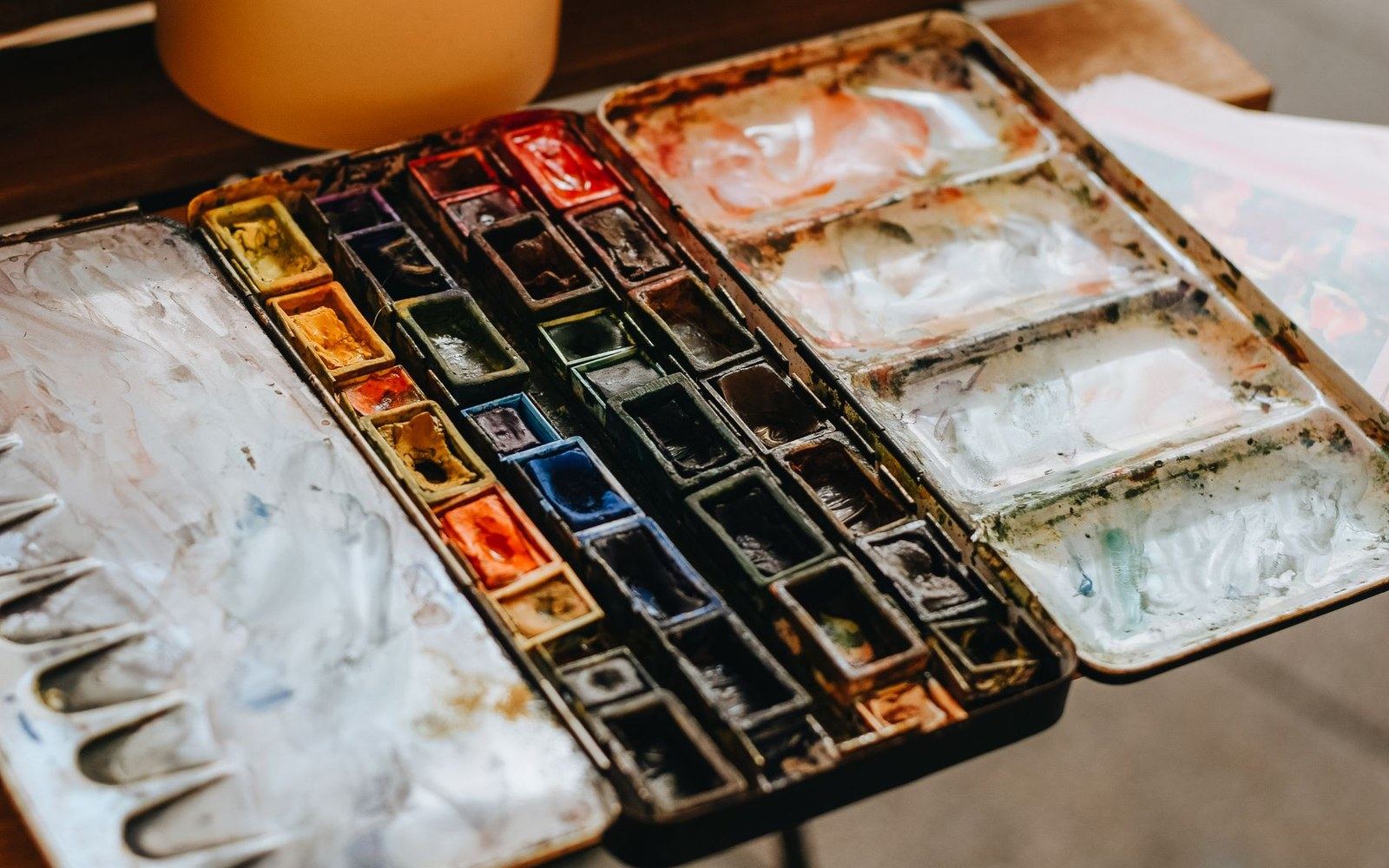
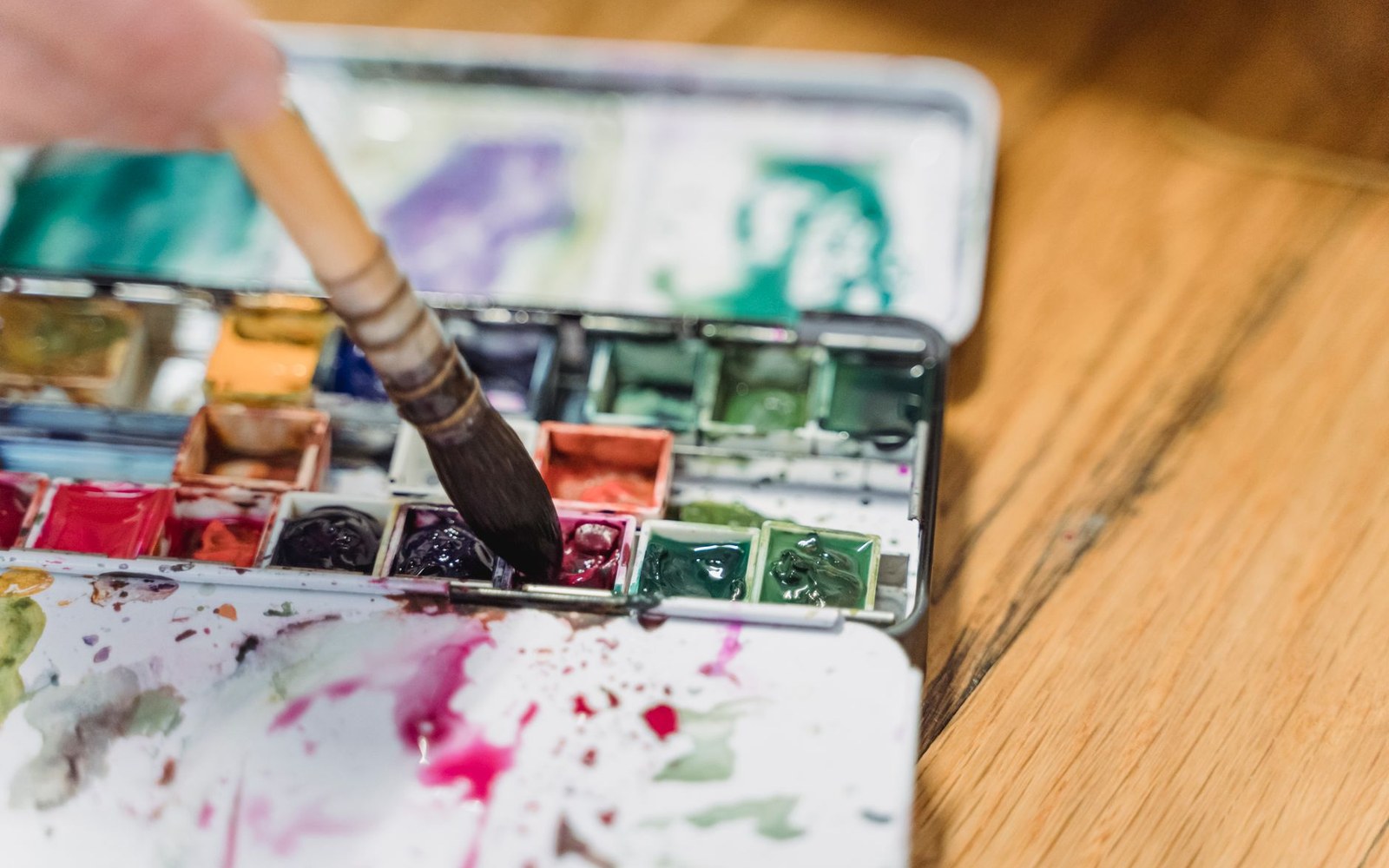
Paper quality in pocket books is variable and worth understanding in practical terms. A thin, absorbent page buckles immediately under a waterbrush; a harder-sized surface holds a wash without warping, which matters when you are working without a board to back it on. The weight also affects the book's authority in the hand — a too-light block of pages flops when held flat. Reportage drawers working in ink and watercolour tend to look for something in the range of a cartridge or hot-pressed watercolour surface, not because of brand, but because the behaviour of the mark on the tooth of the paper is what connects intention to result.
Toned paper in pocket format changes the arithmetic of available time. Working on grey, you have a midtone given for free, and a white line in gouache reads immediately, which is useful when light is the subject and the minutes available are few. The toned-paper approach suits the pocket book because it compresses the number of decisions per square inch: fewer washes, clearer structure, quicker resolution.
The accumulated record
What accumulates in a filled pocket book is something a photograph cannot produce: a sequence of attentional choices, each made in a few minutes, each showing what that particular pair of eyes decided to look at on a particular day. The Imperial War Museum holds Ronald Searle's Changi drawings, kept under mattresses in conditions of extreme danger — an extreme case, but it makes the logic explicit. The object that was carried was the object that recorded. Edward Ardizzone's war sketchbooks exist for the same reason: they were small enough to be with him.
A filled book is harder to argue with than an intention. The pocket format is not a limitation on ambition; it is the condition of the habit. Most working sketchbook drawers keep more than one format on the go at a time, but almost all of them point to the book that actually travels — the one with the broken spine and the tide-marked pages — as the one that taught them most.