03 · Looking
Measuring by Eye
Sighting with a pencil is a method, not a mannerism: it converts the world into proportions you can transfer.
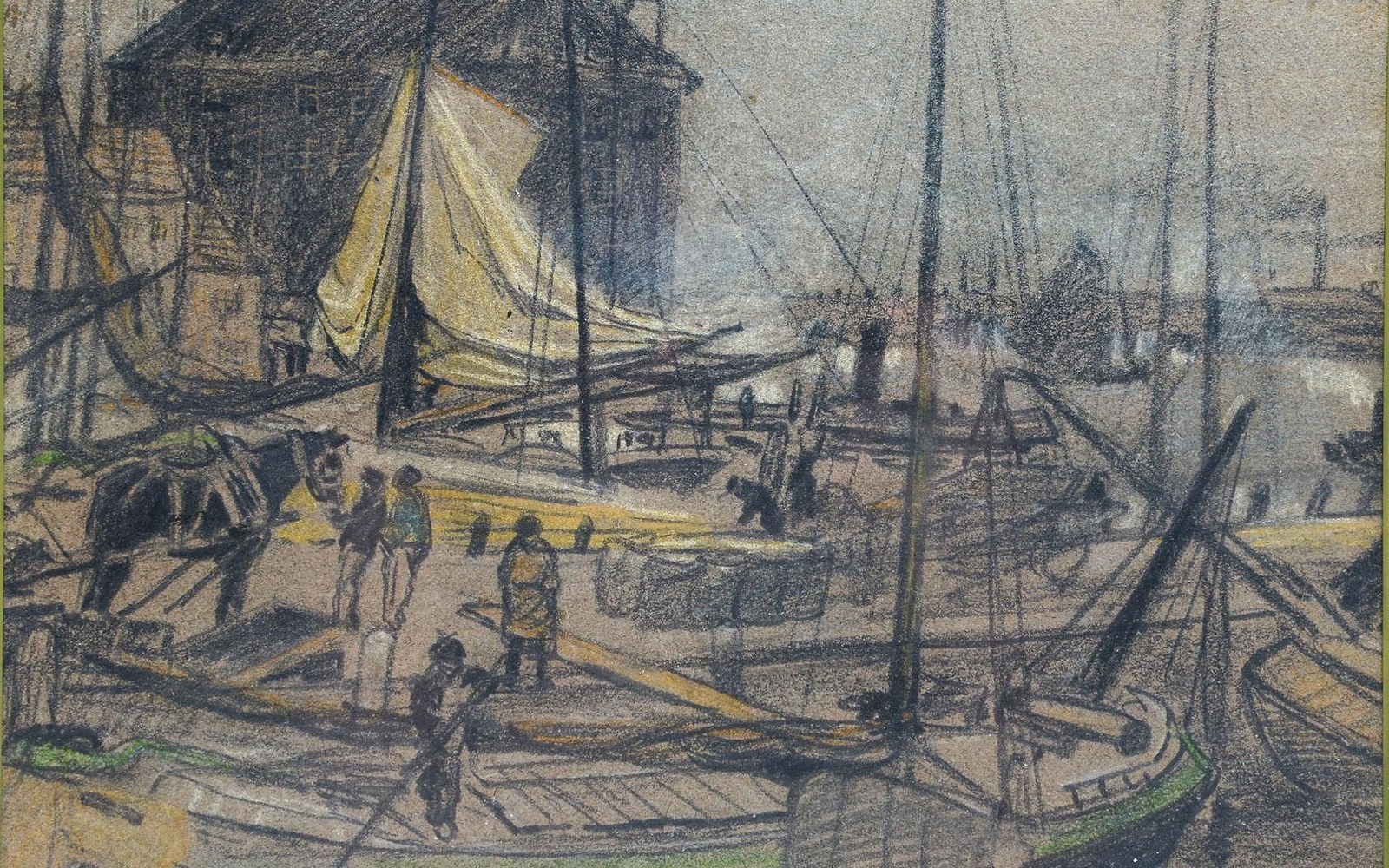 03.3
03.3What sighting actually does
Hold a pencil at arm's length, close one eye, and align the tip with the top of whatever you are looking at. Slide your thumb up the shaft until it sits level with the base. That gap — pencil tip to thumb nail — is not a measurement in centimetres. It is a ratio. You are asking: how many times does this height fit into that width? How does the distance between those two windows compare to the height of the door between them? The pencil becomes a ruler that measures only in relation to itself, which is exactly what drawing needs, because drawing is not transcription — it is proportion.
The technique is old enough that it appears in academic manuals of the eighteenth century, but it is not an academic affectation. It answers a specific problem that arises the moment you sit down in front of a complex subject: your eye wants to draw what it knows rather than what it sees. You know a door is taller than it is wide, so you draw it that way — and you are probably wrong about this particular door at this particular angle from where you are sitting. Sighting corrects the knowledge by replacing it with observation.
The method in steps
- 01Arm's length — pencil must be held fully extended for consistent result
- 02One eye closed — eliminates binocular depth, flattens the scene into the same plane as the paper
- 03Tip-to-thumb gap — the unit of measurement, ratio-based not metric
- 04Establish one unit first — a key vertical, before any other line goes down
- 05Mid-point check — used to locate drift, not to re-verify every mark
How to use it without stopping the drawing
The error most beginners make is to sight constantly, treating each mark as something to be verified before it is committed. That way lies a drawing that is accurate and dead. Sighting is most useful at two moments: at the start, to establish the main proportions before a single line goes down, and at a mid-point check, when you suspect something has gone wrong and want to find where.
At the start, establish one dimension as your unit — typically the height of a key vertical element — and measure everything else against it. How many units wide is the façade? How high does the cornice sit relative to the full height? These ratios go down as light construction lines and give the drawing its skeleton. After that, you draw. Time is limited, so you cannot afford to sight every mark; you use the proportions you have found and trust the eye to interpolate.
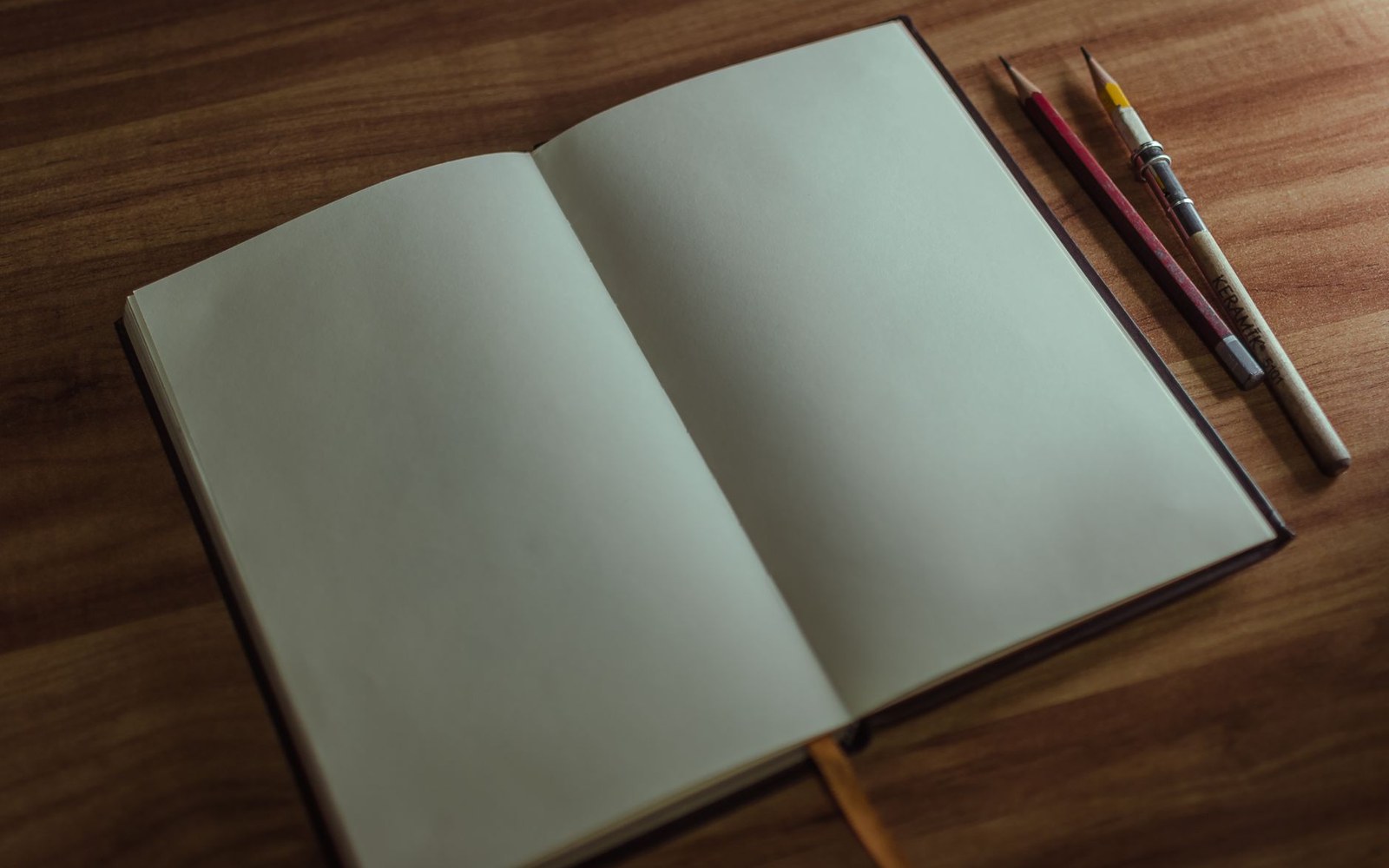
The mid-point check is more diagnostic. If a building looks as though it is leaning when it should be plumb, the problem is usually not in the verticals but in a horizontal that has drifted. Sight the angle of a cornice or a window ledge against the pencil held truly horizontal, and the error becomes visible immediately. You are not re-drawing the building — you are locating the one line that pulled everything else out of alignment.
What sighting cannot do
Proportion is not composition. Sighting tells you where things are relative to each other; it does not tell you which things matter or where the edge of your page should fall. Those decisions happen before the pencil goes up, when you are simply looking, working out what the drawing is actually of. J. M. W. Turner's pocket sketchbooks — some three hundred survive in the Tate — contain rapid pencil notes in which the proportions are reliable enough to have supplied paintings made years later, but the power in those pages is not accuracy. It is selection: what Turner chose to put in the frame and what he left as unmarked paper.
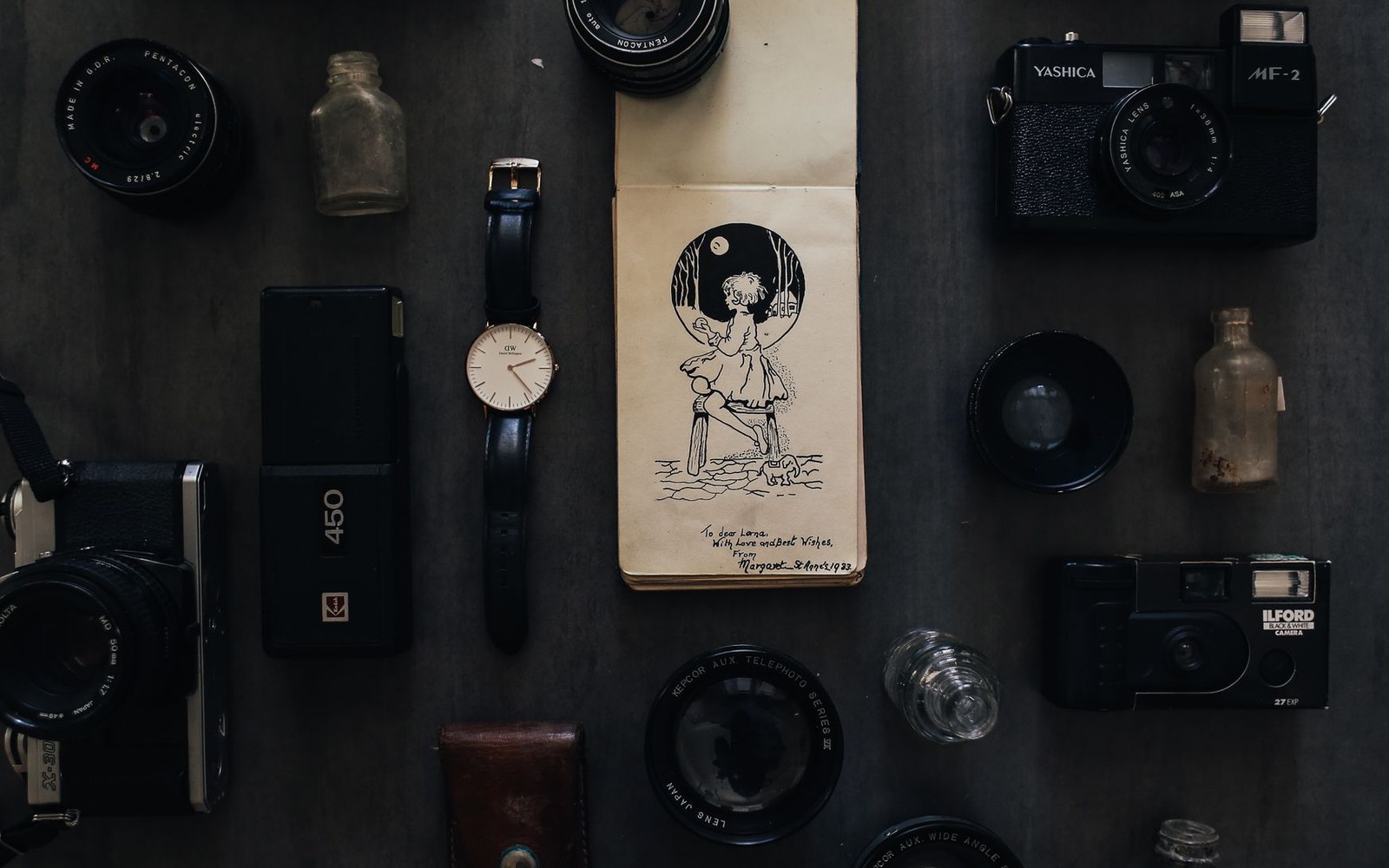
Sighting also cannot correct for the way attention wanders under time pressure. Eugène Delacroix, working fast in Tangier in 1832, trusted his eye for proportion and annotated the page with colour notes and written reminders where the sketch alone would not hold enough information. The annotation was not a failure of sighting — it was a different kind of measurement, recording what the eye registered beyond geometry. Proportion gets you the structure; what you decide to write alongside it keeps the rest.
The pencil held at arm's length is a calibration tool. Like all calibration, its job is to make the instrument — your eye — more reliable, and then to get out of the way.