03 · Looking
What the Camera Misses
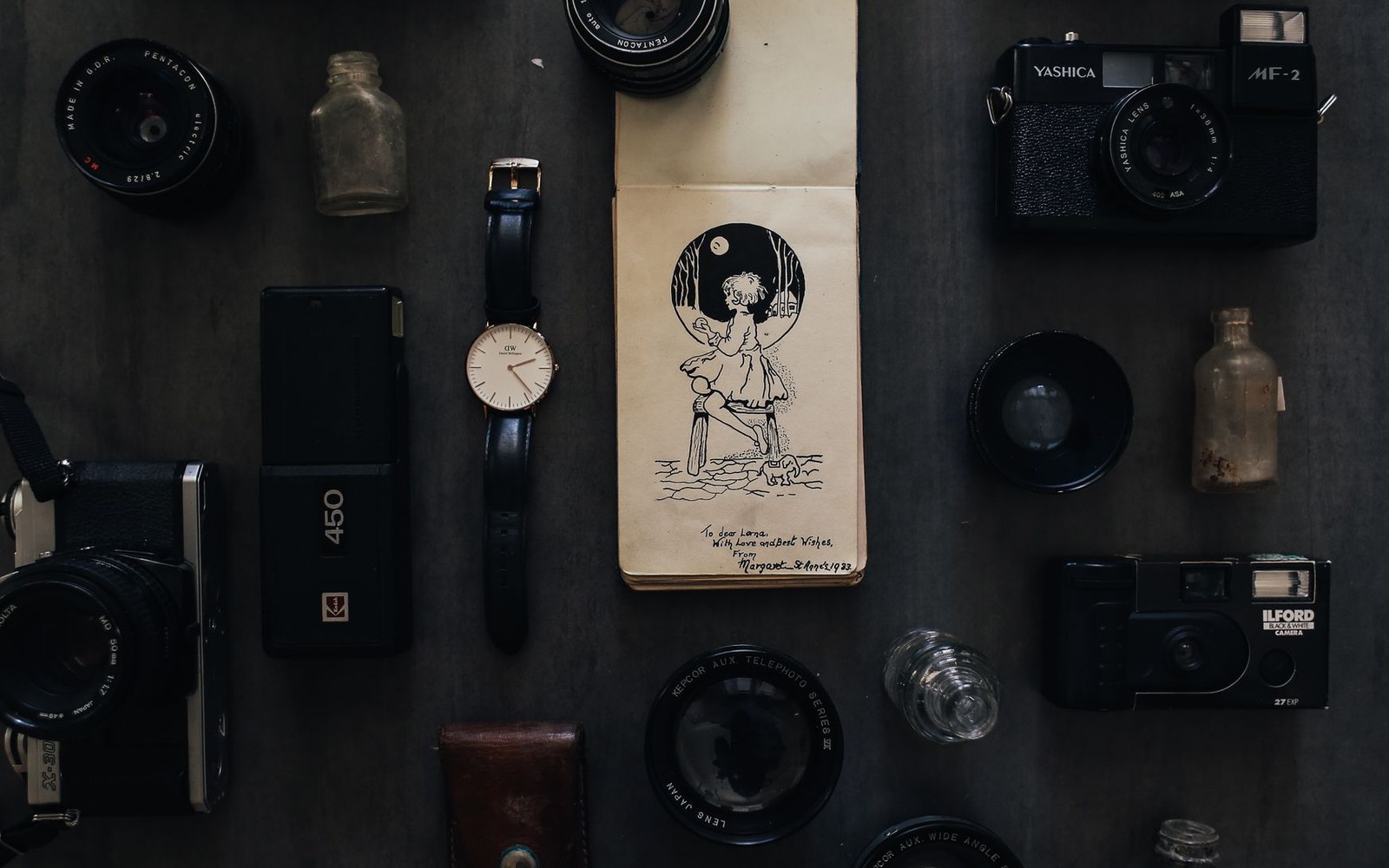
A photograph records everything in front of the lens; a drawing records only what the eye decided to follow.
 03.4
03.4The Attention Is the Record
Point a camera and it captures indiscriminately — the interesting wall and the dull one, the figure you were watching and the three you were not. The shutter cannot choose. A drawing is nothing but choices: where to start the line, how long to hold it, which shadow earns ink and which one doesn't. That decision-making is not a limitation of the medium. It is the medium.
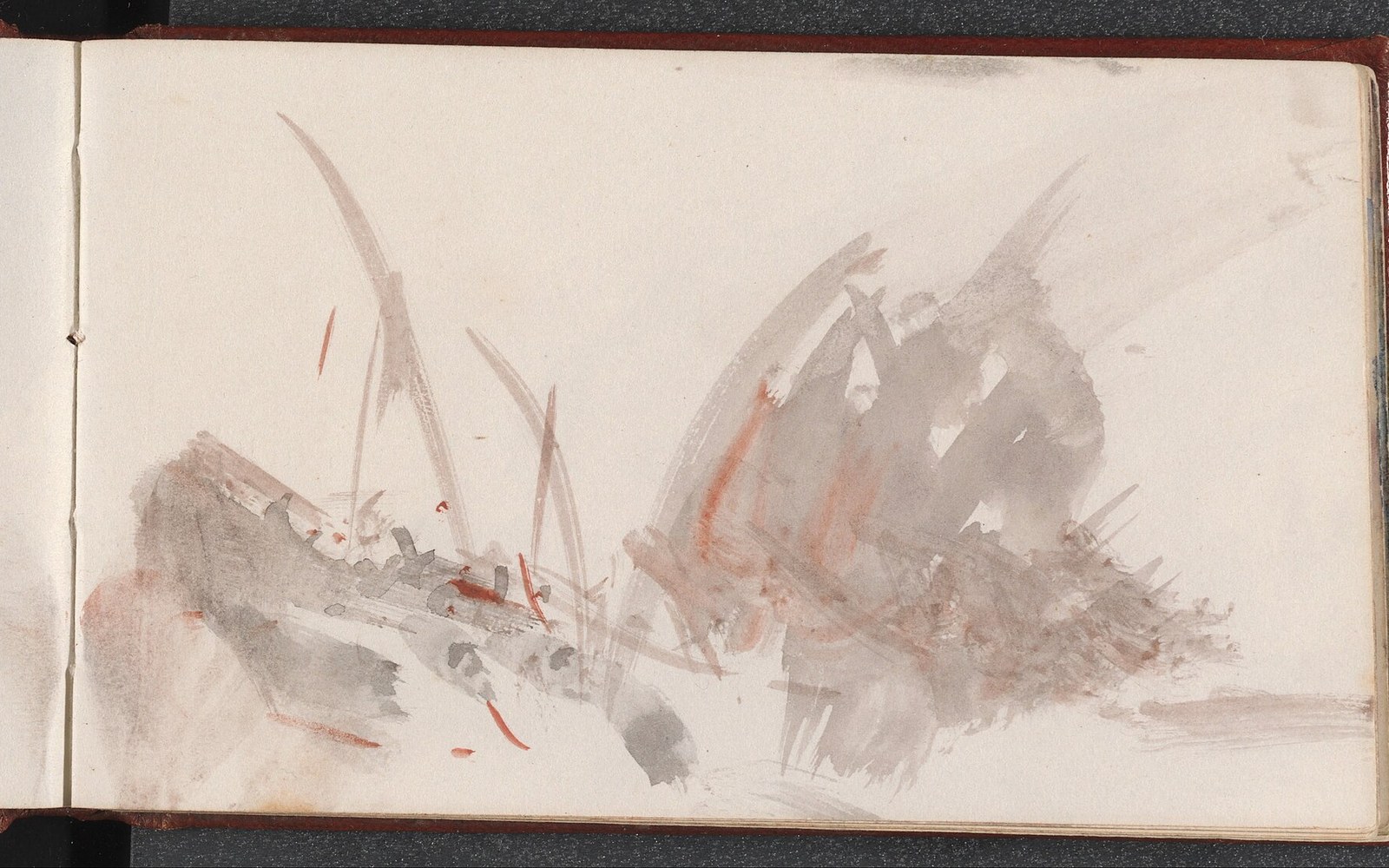
This is why the sketchbook survives as a tool of serious looking. When Eugène Delacroix filled his notebooks during his 1832 trip to Tangier, he was not making preliminary photographs. He was recording a hierarchy of attention — what colour against what light, how a particular fold of cloth fell, what the proportions of an archway actually were when you stood at street level rather than imagining them. The notes he annotated into the margins kept details alive for decades; those notebooks fed his studio work for the rest of his life.
What drawing records that photography cannot
- 01Hierarchy of attention — the artist's decisions, not the lens's indifference
- 02Simultaneous time — different parts of a page drawn at different durations coexist
- 03Bodily and psychological states read through the act of drawing, not captured accidentally
- 04Marginal annotation as an additional layer of specific observation
The camera flattens focal length into a single plane. A drawing can hold two different moments simultaneously — a figure observed for thirty seconds alongside a doorway studied for five minutes — because time is a material in a sketchbook the way graphite is. The page does not care that the figure and the doorway were never in focus at the same instant.
This is also why what fades matters so much in old notebooks. The pigments that have shifted or gone were the ones carrying the specific colour information the artist spent attention on — the warm ochre of a wall at a particular hour, a sky that was neither blue nor grey but precisely between. A photograph made on the same day would have captured it accidentally, without that investment, and might actually read more accurately now. The drawing was richer and is now dimmer, because it contained an act of looking rather than a mechanical registration.
Edward Ardizzone, working as a war artist during the Second World War, drew in conditions where cameras were either forbidden or impractical, but the more important fact is what his line retained: the weight a man carries when he is exhausted, the particular quality of waiting. These are states that a camera catches by accident, if at all. A drawing catches them because the person holding the pen was also reading them — deciding they were the thing worth putting down.
A photograph asks: what was there? A drawing asks: what did you notice? The two questions produce different kinds of evidence, and only one of them required you to look.